Início Site Página 283

Zombie Survival Game Adds Craftable Vehicles and Traps

In 2007, the Writers Guild of America (WGA) strike brought Hollywood to a standstill. Scripted television shows went dark, production schedules were thrown into chaos, and viewers were left with a massive entertainment void. Yet, amid the crisis, one genre not only survived but thrived—reality TV. Shows like Survivor, Big Brother, and The Amazing Race saw a surge in popularity, as networks scrambled to fill the content gap left by scripted series.

Fast forward to 2024, and things look different. Reality TV, once seen as an indomitable force in entertainment, seems to be struggling. Viewership is down, new formats are floundering, and long-running franchises are losing their spark. Why has a genre that thrived during the previous strike faltered this time around?

The Changing Landscape of Entertainment

One of the biggest differences between 2007 and 2024 is the way audiences consume content. In 2007, traditional network television was still king, and reality TV provided an easy-to-produce, unscripted alternative to keep viewers engaged. But in 2024, the entertainment landscape has radically shifted. Streaming services, on-demand content, and social media platforms dominate the scene, offering viewers endless choices beyond what’s available on cable or network TV.

Reality TV Fatigue

Another factor contributing to the decline of reality TV in 2024 is simple burnout. The genre has been oversaturated for years, with countless iterations of talent competitions, dating shows, and survival challenges crowding the airwaves. What once felt fresh and exciting has become formulaic and repetitive. New reality concepts struggle to break through the noise, while older shows like The Bachelor and Keeping Up with the Kardashians have either ended or seen viewership dwindle.

The rise of social media influencers and YouTube personalities has also blurred the lines of “reality” entertainment. Platforms like Instagram and TikTok offer users a more personal, unfiltered view into people’s lives—often with more authenticity than heavily produced reality TV. For a generation raised on short-form, user-generated content.

Engaging Nonfiction Stories

The Rise of Competition: Docuseries and High-Quality Productions

Another genre is also encroaching on reality TV’s space—docuseries. With true crime, investigative documentaries, and high-quality, multi-part series taking center stage, viewers are flocking to well-researched, deeply engaging nonfiction stories. These docuseries often provide more substance than reality TV, with compelling narratives that feel more authentic and educational. Streaming platforms are investing heavily in this content, attracting viewers who might have previously tuned into reality TV for an entertaining escape.

Ironically, the ongoing 2024 writers strike may have hurt reality TV more than it helped this time around. While it once provided an opportunity for unscripted content to dominate, today’s strike has caused uncertainty across the entire entertainment industry. Even though reality TV is unscripted, many of these shows rely heavily on behind-the-scenes writing teams for story shaping, post-production edits, and narrative development. With production delays and fewer resources, the quality of reality programming has suffered.

In addition, networks and streaming platforms are less dependent on traditional reality content to fill gaps, thanks to their vast libraries of on-demand content and international shows, which can be quickly dubbed or subtitled.

Reality TV isn’t dead—it’s evolving. While the traditional model is hurting, we may see a new era of innovation within the genre. Producers will need to get more creative, offering new formats, interactive elements, or integrating technology like virtual reality to engage audiences. Shorter, punchier series designed for streaming platforms or new niche reality shows could help revive interest.

Ultimately, reality TV’s struggles in 2024 reflect broader changes in how we consume entertainment. The genre that once thrived during a content drought in 2007 is now facing stiff competition from a wide array of engaging, on-demand alternatives. To survive, reality TV will have to adapt to this new digital-first landscape.

Viewers now expect more curated, higher-quality content than ever before. Streaming giants like Netflix, Amazon Prime, and Disney+ offer highly produced series with cinematic storytelling, making traditional reality TV look cheap by comparison. Furthermore, streaming platforms have dipped into the reality genre themselves, but with more focused, niche offerings like The Circle or Love Is Blind. These shows cater to specific audiences and thrive on the binge-watching format, leaving older reality shows struggling to maintain weekly viewer engagement.

Perhaps one of the biggest shifts impacting reality TV is the rise of social media and influencer culture. Platforms like TikTok, Instagram, and YouTube offer a more authentic and unfiltered look into people’s lives than traditional reality shows. Influencers, with their real-time interactions and behind-the-scenes content, have become the new reality stars. The constant flow of content from influencers feels more personal and less produced, which resonates with today’s audiences.

Reality TV’s original appeal came from offering viewers a peek behind the curtain of real life. But in 2024, social media has democratized this concept. Now, anyone with a smartphone can share their life, making it harder for reality TV shows to maintain the same level of intrigue.

People ignore design that ignores people. Good design is all about making other designers feel like idiots because that idea wasn’t theirs. Design is the conscious effort to impose a meaningful order.

Andrew Bennett

Furthermore, streaming platforms have dipped into the reality genre themselves, but with more focused, niche offerings like The Circle or Love Is Blind. These shows cater to specific audiences and thrive on the binge-watching format, leaving older reality shows struggling to maintain weekly viewer engagement.

Platforms like TikTok, Instagram, and YouTube offer a more authentic and unfiltered look into people’s lives than traditional reality shows. Influencers, with their real-time interactions and behind-the-scenes content, have become the new reality stars. The constant flow of content from influencers feels more personal and less produced, which resonates with today’s audiences.

Reality TV’s original appeal came from offering viewers a peek behind the curtain of real life. But in 2024, social media has democratized this concept. Now, anyone with a smartphone can share their life, making it harder for reality TV shows to maintain the same level of intrigue.

The Impact of the 2024 Writers Strike

Ironically, the ongoing 2024 writers strike may have hurt reality TV more than it helped this time around. While it once provided an opportunity for unscripted content to dominate, today’s strike has caused uncertainty across the entire entertainment industry. Even though reality TV is unscripted, many of these shows rely heavily on behind-the-scenes writing teams for story shaping, post-production edits, and narrative development. With production delays and fewer resources, the quality of reality programming has suffered.

Unlike 2007, when reality TV became a go-to solution for content-hungry networks, today’s television executives have more options. Streaming platforms, vast libraries of pre-existing content, and the ability to pull in international series have reduced the reliance on hastily produced reality shows to fill programming gaps. The 2024 strike has affected reality TV’s ecosystem in ways that weren’t as pronounced during the 2007 strike, leaving the genre exposed.

Roguelike Platformer Adds Permanent Progression System Today

In 2007, the Writers Guild of America (WGA) strike brought Hollywood to a standstill. Scripted television shows went dark, production schedules were thrown into chaos, and viewers were left with a massive entertainment void. Yet, amid the crisis, one genre not only survived but thrived—reality TV. Shows like Survivor, Big Brother, and The Amazing Race saw a surge in popularity, as networks scrambled to fill the content gap left by scripted series.

Fast forward to 2024, and things look different. Reality TV, once seen as an indomitable force in entertainment, seems to be struggling. Viewership is down, new formats are floundering, and long-running franchises are losing their spark. Why has a genre that thrived during the previous strike faltered this time around?

The Changing Landscape of Entertainment

One of the biggest differences between 2007 and 2024 is the way audiences consume content. In 2007, traditional network television was still king, and reality TV provided an easy-to-produce, unscripted alternative to keep viewers engaged. But in 2024, the entertainment landscape has radically shifted. Streaming services, on-demand content, and social media platforms dominate the scene, offering viewers endless choices beyond what’s available on cable or network TV.

Reality TV Fatigue

Another factor contributing to the decline of reality TV in 2024 is simple burnout. The genre has been oversaturated for years, with countless iterations of talent competitions, dating shows, and survival challenges crowding the airwaves. What once felt fresh and exciting has become formulaic and repetitive. New reality concepts struggle to break through the noise, while older shows like The Bachelor and Keeping Up with the Kardashians have either ended or seen viewership dwindle.

The rise of social media influencers and YouTube personalities has also blurred the lines of “reality” entertainment. Platforms like Instagram and TikTok offer users a more personal, unfiltered view into people’s lives—often with more authenticity than heavily produced reality TV. For a generation raised on short-form, user-generated content.

Engaging Nonfiction Stories

The Rise of Competition: Docuseries and High-Quality Productions

Another genre is also encroaching on reality TV’s space—docuseries. With true crime, investigative documentaries, and high-quality, multi-part series taking center stage, viewers are flocking to well-researched, deeply engaging nonfiction stories. These docuseries often provide more substance than reality TV, with compelling narratives that feel more authentic and educational. Streaming platforms are investing heavily in this content, attracting viewers who might have previously tuned into reality TV for an entertaining escape.

Ironically, the ongoing 2024 writers strike may have hurt reality TV more than it helped this time around. While it once provided an opportunity for unscripted content to dominate, today’s strike has caused uncertainty across the entire entertainment industry. Even though reality TV is unscripted, many of these shows rely heavily on behind-the-scenes writing teams for story shaping, post-production edits, and narrative development. With production delays and fewer resources, the quality of reality programming has suffered.

In addition, networks and streaming platforms are less dependent on traditional reality content to fill gaps, thanks to their vast libraries of on-demand content and international shows, which can be quickly dubbed or subtitled.

Reality TV isn’t dead—it’s evolving. While the traditional model is hurting, we may see a new era of innovation within the genre. Producers will need to get more creative, offering new formats, interactive elements, or integrating technology like virtual reality to engage audiences. Shorter, punchier series designed for streaming platforms or new niche reality shows could help revive interest.

Ultimately, reality TV’s struggles in 2024 reflect broader changes in how we consume entertainment. The genre that once thrived during a content drought in 2007 is now facing stiff competition from a wide array of engaging, on-demand alternatives. To survive, reality TV will have to adapt to this new digital-first landscape.

Viewers now expect more curated, higher-quality content than ever before. Streaming giants like Netflix, Amazon Prime, and Disney+ offer highly produced series with cinematic storytelling, making traditional reality TV look cheap by comparison. Furthermore, streaming platforms have dipped into the reality genre themselves, but with more focused, niche offerings like The Circle or Love Is Blind. These shows cater to specific audiences and thrive on the binge-watching format, leaving older reality shows struggling to maintain weekly viewer engagement.

Perhaps one of the biggest shifts impacting reality TV is the rise of social media and influencer culture. Platforms like TikTok, Instagram, and YouTube offer a more authentic and unfiltered look into people’s lives than traditional reality shows. Influencers, with their real-time interactions and behind-the-scenes content, have become the new reality stars. The constant flow of content from influencers feels more personal and less produced, which resonates with today’s audiences.

Reality TV’s original appeal came from offering viewers a peek behind the curtain of real life. But in 2024, social media has democratized this concept. Now, anyone with a smartphone can share their life, making it harder for reality TV shows to maintain the same level of intrigue.

People ignore design that ignores people. Good design is all about making other designers feel like idiots because that idea wasn’t theirs. Design is the conscious effort to impose a meaningful order.

Andrew Bennett

Furthermore, streaming platforms have dipped into the reality genre themselves, but with more focused, niche offerings like The Circle or Love Is Blind. These shows cater to specific audiences and thrive on the binge-watching format, leaving older reality shows struggling to maintain weekly viewer engagement.

Platforms like TikTok, Instagram, and YouTube offer a more authentic and unfiltered look into people’s lives than traditional reality shows. Influencers, with their real-time interactions and behind-the-scenes content, have become the new reality stars. The constant flow of content from influencers feels more personal and less produced, which resonates with today’s audiences.

Reality TV’s original appeal came from offering viewers a peek behind the curtain of real life. But in 2024, social media has democratized this concept. Now, anyone with a smartphone can share their life, making it harder for reality TV shows to maintain the same level of intrigue.

The Impact of the 2024 Writers Strike

Ironically, the ongoing 2024 writers strike may have hurt reality TV more than it helped this time around. While it once provided an opportunity for unscripted content to dominate, today’s strike has caused uncertainty across the entire entertainment industry. Even though reality TV is unscripted, many of these shows rely heavily on behind-the-scenes writing teams for story shaping, post-production edits, and narrative development. With production delays and fewer resources, the quality of reality programming has suffered.

Unlike 2007, when reality TV became a go-to solution for content-hungry networks, today’s television executives have more options. Streaming platforms, vast libraries of pre-existing content, and the ability to pull in international series have reduced the reliance on hastily produced reality shows to fill programming gaps. The 2024 strike has affected reality TV’s ecosystem in ways that weren’t as pronounced during the 2007 strike, leaving the genre exposed.

Fantasy Puzzle Game Adds Voice Narration and New Music

In 2007, the Writers Guild of America (WGA) strike brought Hollywood to a standstill. Scripted television shows went dark, production schedules were thrown into chaos, and viewers were left with a massive entertainment void. Yet, amid the crisis, one genre not only survived but thrived—reality TV. Shows like Survivor, Big Brother, and The Amazing Race saw a surge in popularity, as networks scrambled to fill the content gap left by scripted series.

Fast forward to 2024, and things look different. Reality TV, once seen as an indomitable force in entertainment, seems to be struggling. Viewership is down, new formats are floundering, and long-running franchises are losing their spark. Why has a genre that thrived during the previous strike faltered this time around?

The Changing Landscape of Entertainment

One of the biggest differences between 2007 and 2024 is the way audiences consume content. In 2007, traditional network television was still king, and reality TV provided an easy-to-produce, unscripted alternative to keep viewers engaged. But in 2024, the entertainment landscape has radically shifted. Streaming services, on-demand content, and social media platforms dominate the scene, offering viewers endless choices beyond what’s available on cable or network TV.

Reality TV Fatigue

Another factor contributing to the decline of reality TV in 2024 is simple burnout. The genre has been oversaturated for years, with countless iterations of talent competitions, dating shows, and survival challenges crowding the airwaves. What once felt fresh and exciting has become formulaic and repetitive. New reality concepts struggle to break through the noise, while older shows like The Bachelor and Keeping Up with the Kardashians have either ended or seen viewership dwindle.

The rise of social media influencers and YouTube personalities has also blurred the lines of “reality” entertainment. Platforms like Instagram and TikTok offer users a more personal, unfiltered view into people’s lives—often with more authenticity than heavily produced reality TV. For a generation raised on short-form, user-generated content.

Engaging Nonfiction Stories

The Rise of Competition: Docuseries and High-Quality Productions

Another genre is also encroaching on reality TV’s space—docuseries. With true crime, investigative documentaries, and high-quality, multi-part series taking center stage, viewers are flocking to well-researched, deeply engaging nonfiction stories. These docuseries often provide more substance than reality TV, with compelling narratives that feel more authentic and educational. Streaming platforms are investing heavily in this content, attracting viewers who might have previously tuned into reality TV for an entertaining escape.

Ironically, the ongoing 2024 writers strike may have hurt reality TV more than it helped this time around. While it once provided an opportunity for unscripted content to dominate, today’s strike has caused uncertainty across the entire entertainment industry. Even though reality TV is unscripted, many of these shows rely heavily on behind-the-scenes writing teams for story shaping, post-production edits, and narrative development. With production delays and fewer resources, the quality of reality programming has suffered.

In addition, networks and streaming platforms are less dependent on traditional reality content to fill gaps, thanks to their vast libraries of on-demand content and international shows, which can be quickly dubbed or subtitled.

Reality TV isn’t dead—it’s evolving. While the traditional model is hurting, we may see a new era of innovation within the genre. Producers will need to get more creative, offering new formats, interactive elements, or integrating technology like virtual reality to engage audiences. Shorter, punchier series designed for streaming platforms or new niche reality shows could help revive interest.

Ultimately, reality TV’s struggles in 2024 reflect broader changes in how we consume entertainment. The genre that once thrived during a content drought in 2007 is now facing stiff competition from a wide array of engaging, on-demand alternatives. To survive, reality TV will have to adapt to this new digital-first landscape.

Viewers now expect more curated, higher-quality content than ever before. Streaming giants like Netflix, Amazon Prime, and Disney+ offer highly produced series with cinematic storytelling, making traditional reality TV look cheap by comparison. Furthermore, streaming platforms have dipped into the reality genre themselves, but with more focused, niche offerings like The Circle or Love Is Blind. These shows cater to specific audiences and thrive on the binge-watching format, leaving older reality shows struggling to maintain weekly viewer engagement.

Perhaps one of the biggest shifts impacting reality TV is the rise of social media and influencer culture. Platforms like TikTok, Instagram, and YouTube offer a more authentic and unfiltered look into people’s lives than traditional reality shows. Influencers, with their real-time interactions and behind-the-scenes content, have become the new reality stars. The constant flow of content from influencers feels more personal and less produced, which resonates with today’s audiences.

Reality TV’s original appeal came from offering viewers a peek behind the curtain of real life. But in 2024, social media has democratized this concept. Now, anyone with a smartphone can share their life, making it harder for reality TV shows to maintain the same level of intrigue.

People ignore design that ignores people. Good design is all about making other designers feel like idiots because that idea wasn’t theirs. Design is the conscious effort to impose a meaningful order.

Andrew Bennett

Furthermore, streaming platforms have dipped into the reality genre themselves, but with more focused, niche offerings like The Circle or Love Is Blind. These shows cater to specific audiences and thrive on the binge-watching format, leaving older reality shows struggling to maintain weekly viewer engagement.

Platforms like TikTok, Instagram, and YouTube offer a more authentic and unfiltered look into people’s lives than traditional reality shows. Influencers, with their real-time interactions and behind-the-scenes content, have become the new reality stars. The constant flow of content from influencers feels more personal and less produced, which resonates with today’s audiences.

Reality TV’s original appeal came from offering viewers a peek behind the curtain of real life. But in 2024, social media has democratized this concept. Now, anyone with a smartphone can share their life, making it harder for reality TV shows to maintain the same level of intrigue.

The Impact of the 2024 Writers Strike

Ironically, the ongoing 2024 writers strike may have hurt reality TV more than it helped this time around. While it once provided an opportunity for unscripted content to dominate, today’s strike has caused uncertainty across the entire entertainment industry. Even though reality TV is unscripted, many of these shows rely heavily on behind-the-scenes writing teams for story shaping, post-production edits, and narrative development. With production delays and fewer resources, the quality of reality programming has suffered.

Unlike 2007, when reality TV became a go-to solution for content-hungry networks, today’s television executives have more options. Streaming platforms, vast libraries of pre-existing content, and the ability to pull in international series have reduced the reliance on hastily produced reality shows to fill programming gaps. The 2024 strike has affected reality TV’s ecosystem in ways that weren’t as pronounced during the 2007 strike, leaving the genre exposed.
New Multiplayer Game Lets Players Shape the World Map

animeac.com.br
animeac.com.br

In 2007, the Writers Guild of America (WGA) strike brought Hollywood to a standstill. Scripted television shows went dark, production schedules were thrown into chaos, and viewers were left with a massive entertainment void. Yet, amid the crisis, one genre not only survived but thrived—reality TV. Shows like Survivor, Big Brother, and The Amazing Race saw a surge in popularity, as networks scrambled to fill the content gap left by scripted series.

Fast forward to 2024, and things look different. Reality TV, once seen as an indomitable force in entertainment, seems to be struggling. Viewership is down, new formats are floundering, and long-running franchises are losing their spark. Why has a genre that thrived during the previous strike faltered this time around?

The Changing Landscape of Entertainment

One of the biggest differences between 2007 and 2024 is the way audiences consume content. In 2007, traditional network television was still king, and reality TV provided an easy-to-produce, unscripted alternative to keep viewers engaged. But in 2024, the entertainment landscape has radically shifted. Streaming services, on-demand content, and social media platforms dominate the scene, offering viewers endless choices beyond what’s available on cable or network TV.

Reality TV Fatigue

Another factor contributing to the decline of reality TV in 2024 is simple burnout. The genre has been oversaturated for years, with countless iterations of talent competitions, dating shows, and survival challenges crowding the airwaves. What once felt fresh and exciting has become formulaic and repetitive. New reality concepts struggle to break through the noise, while older shows like The Bachelor and Keeping Up with the Kardashians have either ended or seen viewership dwindle.

The rise of social media influencers and YouTube personalities has also blurred the lines of “reality” entertainment. Platforms like Instagram and TikTok offer users a more personal, unfiltered view into people’s lives—often with more authenticity than heavily produced reality TV. For a generation raised on short-form, user-generated content.

Engaging Nonfiction Stories

The Rise of Competition: Docuseries and High-Quality Productions

Another genre is also encroaching on reality TV’s space—docuseries. With true crime, investigative documentaries, and high-quality, multi-part series taking center stage, viewers are flocking to well-researched, deeply engaging nonfiction stories. These docuseries often provide more substance than reality TV, with compelling narratives that feel more authentic and educational. Streaming platforms are investing heavily in this content, attracting viewers who might have previously tuned into reality TV for an entertaining escape.

Ironically, the ongoing 2024 writers strike may have hurt reality TV more than it helped this time around. While it once provided an opportunity for unscripted content to dominate, today’s strike has caused uncertainty across the entire entertainment industry. Even though reality TV is unscripted, many of these shows rely heavily on behind-the-scenes writing teams for story shaping, post-production edits, and narrative development. With production delays and fewer resources, the quality of reality programming has suffered.

In addition, networks and streaming platforms are less dependent on traditional reality content to fill gaps, thanks to their vast libraries of on-demand content and international shows, which can be quickly dubbed or subtitled.

Reality TV isn’t dead—it’s evolving. While the traditional model is hurting, we may see a new era of innovation within the genre. Producers will need to get more creative, offering new formats, interactive elements, or integrating technology like virtual reality to engage audiences. Shorter, punchier series designed for streaming platforms or new niche reality shows could help revive interest.

Ultimately, reality TV’s struggles in 2024 reflect broader changes in how we consume entertainment. The genre that once thrived during a content drought in 2007 is now facing stiff competition from a wide array of engaging, on-demand alternatives. To survive, reality TV will have to adapt to this new digital-first landscape.

Viewers now expect more curated, higher-quality content than ever before. Streaming giants like Netflix, Amazon Prime, and Disney+ offer highly produced series with cinematic storytelling, making traditional reality TV look cheap by comparison. Furthermore, streaming platforms have dipped into the reality genre themselves, but with more focused, niche offerings like The Circle or Love Is Blind. These shows cater to specific audiences and thrive on the binge-watching format, leaving older reality shows struggling to maintain weekly viewer engagement.

Perhaps one of the biggest shifts impacting reality TV is the rise of social media and influencer culture. Platforms like TikTok, Instagram, and YouTube offer a more authentic and unfiltered look into people’s lives than traditional reality shows. Influencers, with their real-time interactions and behind-the-scenes content, have become the new reality stars. The constant flow of content from influencers feels more personal and less produced, which resonates with today’s audiences.

Reality TV’s original appeal came from offering viewers a peek behind the curtain of real life. But in 2024, social media has democratized this concept. Now, anyone with a smartphone can share their life, making it harder for reality TV shows to maintain the same level of intrigue.

People ignore design that ignores people. Good design is all about making other designers feel like idiots because that idea wasn’t theirs. Design is the conscious effort to impose a meaningful order.

Andrew Bennett

Furthermore, streaming platforms have dipped into the reality genre themselves, but with more focused, niche offerings like The Circle or Love Is Blind. These shows cater to specific audiences and thrive on the binge-watching format, leaving older reality shows struggling to maintain weekly viewer engagement.

Platforms like TikTok, Instagram, and YouTube offer a more authentic and unfiltered look into people’s lives than traditional reality shows. Influencers, with their real-time interactions and behind-the-scenes content, have become the new reality stars. The constant flow of content from influencers feels more personal and less produced, which resonates with today’s audiences.

Reality TV’s original appeal came from offering viewers a peek behind the curtain of real life. But in 2024, social media has democratized this concept. Now, anyone with a smartphone can share their life, making it harder for reality TV shows to maintain the same level of intrigue.

The Impact of the 2024 Writers Strike

Ironically, the ongoing 2024 writers strike may have hurt reality TV more than it helped this time around. While it once provided an opportunity for unscripted content to dominate, today’s strike has caused uncertainty across the entire entertainment industry. Even though reality TV is unscripted, many of these shows rely heavily on behind-the-scenes writing teams for story shaping, post-production edits, and narrative development. With production delays and fewer resources, the quality of reality programming has suffered.

Unlike 2007, when reality TV became a go-to solution for content-hungry networks, today’s television executives have more options. Streaming platforms, vast libraries of pre-existing content, and the ability to pull in international series have reduced the reliance on hastily produced reality shows to fill programming gaps. The 2024 strike has affected reality TV’s ecosystem in ways that weren’t as pronounced during the 2007 strike, leaving the genre exposed.

Sports Game Celebrates Season Start With Free Player Packs

In 2007, the Writers Guild of America (WGA) strike brought Hollywood to a standstill. Scripted television shows went dark, production schedules were thrown into chaos, and viewers were left with a massive entertainment void. Yet, amid the crisis, one genre not only survived but thrived—reality TV. Shows like Survivor, Big Brother, and The Amazing Race saw a surge in popularity, as networks scrambled to fill the content gap left by scripted series.

Fast forward to 2024, and things look different. Reality TV, once seen as an indomitable force in entertainment, seems to be struggling. Viewership is down, new formats are floundering, and long-running franchises are losing their spark. Why has a genre that thrived during the previous strike faltered this time around?

The Changing Landscape of Entertainment

One of the biggest differences between 2007 and 2024 is the way audiences consume content. In 2007, traditional network television was still king, and reality TV provided an easy-to-produce, unscripted alternative to keep viewers engaged. But in 2024, the entertainment landscape has radically shifted. Streaming services, on-demand content, and social media platforms dominate the scene, offering viewers endless choices beyond what’s available on cable or network TV.

Reality TV Fatigue

Another factor contributing to the decline of reality TV in 2024 is simple burnout. The genre has been oversaturated for years, with countless iterations of talent competitions, dating shows, and survival challenges crowding the airwaves. What once felt fresh and exciting has become formulaic and repetitive. New reality concepts struggle to break through the noise, while older shows like The Bachelor and Keeping Up with the Kardashians have either ended or seen viewership dwindle.

The rise of social media influencers and YouTube personalities has also blurred the lines of “reality” entertainment. Platforms like Instagram and TikTok offer users a more personal, unfiltered view into people’s lives—often with more authenticity than heavily produced reality TV. For a generation raised on short-form, user-generated content.

Engaging Nonfiction Stories

The Rise of Competition: Docuseries and High-Quality Productions

Another genre is also encroaching on reality TV’s space—docuseries. With true crime, investigative documentaries, and high-quality, multi-part series taking center stage, viewers are flocking to well-researched, deeply engaging nonfiction stories. These docuseries often provide more substance than reality TV, with compelling narratives that feel more authentic and educational. Streaming platforms are investing heavily in this content, attracting viewers who might have previously tuned into reality TV for an entertaining escape.

Ironically, the ongoing 2024 writers strike may have hurt reality TV more than it helped this time around. While it once provided an opportunity for unscripted content to dominate, today’s strike has caused uncertainty across the entire entertainment industry. Even though reality TV is unscripted, many of these shows rely heavily on behind-the-scenes writing teams for story shaping, post-production edits, and narrative development. With production delays and fewer resources, the quality of reality programming has suffered.

In addition, networks and streaming platforms are less dependent on traditional reality content to fill gaps, thanks to their vast libraries of on-demand content and international shows, which can be quickly dubbed or subtitled.

Reality TV isn’t dead—it’s evolving. While the traditional model is hurting, we may see a new era of innovation within the genre. Producers will need to get more creative, offering new formats, interactive elements, or integrating technology like virtual reality to engage audiences. Shorter, punchier series designed for streaming platforms or new niche reality shows could help revive interest.

Ultimately, reality TV’s struggles in 2024 reflect broader changes in how we consume entertainment. The genre that once thrived during a content drought in 2007 is now facing stiff competition from a wide array of engaging, on-demand alternatives. To survive, reality TV will have to adapt to this new digital-first landscape.

Viewers now expect more curated, higher-quality content than ever before. Streaming giants like Netflix, Amazon Prime, and Disney+ offer highly produced series with cinematic storytelling, making traditional reality TV look cheap by comparison. Furthermore, streaming platforms have dipped into the reality genre themselves, but with more focused, niche offerings like The Circle or Love Is Blind. These shows cater to specific audiences and thrive on the binge-watching format, leaving older reality shows struggling to maintain weekly viewer engagement.

Perhaps one of the biggest shifts impacting reality TV is the rise of social media and influencer culture. Platforms like TikTok, Instagram, and YouTube offer a more authentic and unfiltered look into people’s lives than traditional reality shows. Influencers, with their real-time interactions and behind-the-scenes content, have become the new reality stars. The constant flow of content from influencers feels more personal and less produced, which resonates with today’s audiences.

Reality TV’s original appeal came from offering viewers a peek behind the curtain of real life. But in 2024, social media has democratized this concept. Now, anyone with a smartphone can share their life, making it harder for reality TV shows to maintain the same level of intrigue.

People ignore design that ignores people. Good design is all about making other designers feel like idiots because that idea wasn’t theirs. Design is the conscious effort to impose a meaningful order.

Andrew Bennett

Furthermore, streaming platforms have dipped into the reality genre themselves, but with more focused, niche offerings like The Circle or Love Is Blind. These shows cater to specific audiences and thrive on the binge-watching format, leaving older reality shows struggling to maintain weekly viewer engagement.

Platforms like TikTok, Instagram, and YouTube offer a more authentic and unfiltered look into people’s lives than traditional reality shows. Influencers, with their real-time interactions and behind-the-scenes content, have become the new reality stars. The constant flow of content from influencers feels more personal and less produced, which resonates with today’s audiences.

Reality TV’s original appeal came from offering viewers a peek behind the curtain of real life. But in 2024, social media has democratized this concept. Now, anyone with a smartphone can share their life, making it harder for reality TV shows to maintain the same level of intrigue.

The Impact of the 2024 Writers Strike

Ironically, the ongoing 2024 writers strike may have hurt reality TV more than it helped this time around. While it once provided an opportunity for unscripted content to dominate, today’s strike has caused uncertainty across the entire entertainment industry. Even though reality TV is unscripted, many of these shows rely heavily on behind-the-scenes writing teams for story shaping, post-production edits, and narrative development. With production delays and fewer resources, the quality of reality programming has suffered.

Unlike 2007, when reality TV became a go-to solution for content-hungry networks, today’s television executives have more options. Streaming platforms, vast libraries of pre-existing content, and the ability to pull in international series have reduced the reliance on hastily produced reality shows to fill programming gaps. The 2024 strike has affected reality TV’s ecosystem in ways that weren’t as pronounced during the 2007 strike, leaving the genre exposed.

Oshi No Ko 163: Data de lançamento, onde ler e mais

Oshi No Ko 163: Data de lançamento, onde ler e mais

No capítulo 162 de Oshi No Ko, os espectadores testemunharam a dramática situação de Aqua Hoshino, que acabou com a vida de seu pai e adversário de longa data, Hikaru Kamiki. Após o vilão submergir no oceano, Aqua foi visto debaixo das ondas, perdendo a consciência.

Diante desse final cheio de suspense, os fãs ficam na expectativa de como se desenrolarão os acontecimentos do capítulo seguinte, principalmente com a mentira de Aqua em risco. Não deixe de acompanhar Oshi No Ko 163 para descobrir os próximos desdobramentos; siga conosco para mais informações sobre a data de lançamento, o enredo previsto e muito mais.

Data de lançamento e onde ler Oshi No Ko 163

Data de lançamento e onde ler Oshi No Ko 163

O capítulo 163 de Oshi No Ko será publicado na quarta-feira, 24 de outubro de 2024, às 12h JST. Para os fãs ao redor do mundo, estará disponível na terça-feira, 23 de outubro, aproximadamente às 15h GMT / 8h PT / 11h ET. É importante notar que o horário exato de lançamento pode sofrer variações devido à velocidade de upload e aos diferentes fusos horários.

Uma edição impressa do capítulo será lançada na edição #47 da Weekly Young Jump de 2024. Adicionalmente, o Capítulo 163 de Oshi No Ko poderá ser acessado online somente através da plataforma MANGAPlus da Shueisha, tanto pelo site quanto pelo aplicativo móvel.

Oshi no Ko Capítulo 163: O que esperar?

Oshi no Ko Capítulo 163: O que esperar?

O capítulo 163 de Oshi No Ko deve iniciar com Aqua submergindo até a morte, marcando o possível término da narrativa de Gorou Amamiya. Contudo, isso pode não representar o fim de Aqua Hoshino. A distinção entre Gorou e Aqua indica que, mesmo que Gorou venha a falecer com seus remorsos sanados, Aqua ainda possui pendências a resolver.

É provável que Crow Girl resgate Aqua em Oshi No Ko Capítulo 163, evitando sua morte naquele instante. Aqua poderá despertar do coma, após ser salvo e transportado ao hospital. Embora seu plano tenha se desenvolvido como planejado, é esperado que o restante do elenco o repreenda por suas atitudes arriscadas.

Martial Arts Game Adds New Fighting Styles and Arenas

animeac.com.br
animeac.com.br

In 2007, the Writers Guild of America (WGA) strike brought Hollywood to a standstill. Scripted television shows went dark, production schedules were thrown into chaos, and viewers were left with a massive entertainment void. Yet, amid the crisis, one genre not only survived but thrived—reality TV. Shows like Survivor, Big Brother, and The Amazing Race saw a surge in popularity, as networks scrambled to fill the content gap left by scripted series.

Fast forward to 2024, and things look different. Reality TV, once seen as an indomitable force in entertainment, seems to be struggling. Viewership is down, new formats are floundering, and long-running franchises are losing their spark. Why has a genre that thrived during the previous strike faltered this time around?

The Changing Landscape of Entertainment

One of the biggest differences between 2007 and 2024 is the way audiences consume content. In 2007, traditional network television was still king, and reality TV provided an easy-to-produce, unscripted alternative to keep viewers engaged. But in 2024, the entertainment landscape has radically shifted. Streaming services, on-demand content, and social media platforms dominate the scene, offering viewers endless choices beyond what’s available on cable or network TV.

Reality TV Fatigue

Another factor contributing to the decline of reality TV in 2024 is simple burnout. The genre has been oversaturated for years, with countless iterations of talent competitions, dating shows, and survival challenges crowding the airwaves. What once felt fresh and exciting has become formulaic and repetitive. New reality concepts struggle to break through the noise, while older shows like The Bachelor and Keeping Up with the Kardashians have either ended or seen viewership dwindle.

The rise of social media influencers and YouTube personalities has also blurred the lines of “reality” entertainment. Platforms like Instagram and TikTok offer users a more personal, unfiltered view into people’s lives—often with more authenticity than heavily produced reality TV. For a generation raised on short-form, user-generated content.

Engaging Nonfiction Stories

The Rise of Competition: Docuseries and High-Quality Productions

Another genre is also encroaching on reality TV’s space—docuseries. With true crime, investigative documentaries, and high-quality, multi-part series taking center stage, viewers are flocking to well-researched, deeply engaging nonfiction stories. These docuseries often provide more substance than reality TV, with compelling narratives that feel more authentic and educational. Streaming platforms are investing heavily in this content, attracting viewers who might have previously tuned into reality TV for an entertaining escape.

Ironically, the ongoing 2024 writers strike may have hurt reality TV more than it helped this time around. While it once provided an opportunity for unscripted content to dominate, today’s strike has caused uncertainty across the entire entertainment industry. Even though reality TV is unscripted, many of these shows rely heavily on behind-the-scenes writing teams for story shaping, post-production edits, and narrative development. With production delays and fewer resources, the quality of reality programming has suffered.

In addition, networks and streaming platforms are less dependent on traditional reality content to fill gaps, thanks to their vast libraries of on-demand content and international shows, which can be quickly dubbed or subtitled.

Reality TV isn’t dead—it’s evolving. While the traditional model is hurting, we may see a new era of innovation within the genre. Producers will need to get more creative, offering new formats, interactive elements, or integrating technology like virtual reality to engage audiences. Shorter, punchier series designed for streaming platforms or new niche reality shows could help revive interest.

Ultimately, reality TV’s struggles in 2024 reflect broader changes in how we consume entertainment. The genre that once thrived during a content drought in 2007 is now facing stiff competition from a wide array of engaging, on-demand alternatives. To survive, reality TV will have to adapt to this new digital-first landscape.

Viewers now expect more curated, higher-quality content than ever before. Streaming giants like Netflix, Amazon Prime, and Disney+ offer highly produced series with cinematic storytelling, making traditional reality TV look cheap by comparison. Furthermore, streaming platforms have dipped into the reality genre themselves, but with more focused, niche offerings like The Circle or Love Is Blind. These shows cater to specific audiences and thrive on the binge-watching format, leaving older reality shows struggling to maintain weekly viewer engagement.

Perhaps one of the biggest shifts impacting reality TV is the rise of social media and influencer culture. Platforms like TikTok, Instagram, and YouTube offer a more authentic and unfiltered look into people’s lives than traditional reality shows. Influencers, with their real-time interactions and behind-the-scenes content, have become the new reality stars. The constant flow of content from influencers feels more personal and less produced, which resonates with today’s audiences.

Reality TV’s original appeal came from offering viewers a peek behind the curtain of real life. But in 2024, social media has democratized this concept. Now, anyone with a smartphone can share their life, making it harder for reality TV shows to maintain the same level of intrigue.

People ignore design that ignores people. Good design is all about making other designers feel like idiots because that idea wasn’t theirs. Design is the conscious effort to impose a meaningful order.

Andrew Bennett

Furthermore, streaming platforms have dipped into the reality genre themselves, but with more focused, niche offerings like The Circle or Love Is Blind. These shows cater to specific audiences and thrive on the binge-watching format, leaving older reality shows struggling to maintain weekly viewer engagement.

Platforms like TikTok, Instagram, and YouTube offer a more authentic and unfiltered look into people’s lives than traditional reality shows. Influencers, with their real-time interactions and behind-the-scenes content, have become the new reality stars. The constant flow of content from influencers feels more personal and less produced, which resonates with today’s audiences.

Reality TV’s original appeal came from offering viewers a peek behind the curtain of real life. But in 2024, social media has democratized this concept. Now, anyone with a smartphone can share their life, making it harder for reality TV shows to maintain the same level of intrigue.

The Impact of the 2024 Writers Strike

Ironically, the ongoing 2024 writers strike may have hurt reality TV more than it helped this time around. While it once provided an opportunity for unscripted content to dominate, today’s strike has caused uncertainty across the entire entertainment industry. Even though reality TV is unscripted, many of these shows rely heavily on behind-the-scenes writing teams for story shaping, post-production edits, and narrative development. With production delays and fewer resources, the quality of reality programming has suffered.

Unlike 2007, when reality TV became a go-to solution for content-hungry networks, today’s television executives have more options. Streaming platforms, vast libraries of pre-existing content, and the ability to pull in international series have reduced the reliance on hastily produced reality shows to fill programming gaps. The 2024 strike has affected reality TV’s ecosystem in ways that weren’t as pronounced during the 2007 strike, leaving the genre exposed.

Alien Invasion Game Adds Dynamic Day and Night Cycles

In 2007, the Writers Guild of America (WGA) strike brought Hollywood to a standstill. Scripted television shows went dark, production schedules were thrown into chaos, and viewers were left with a massive entertainment void. Yet, amid the crisis, one genre not only survived but thrived—reality TV. Shows like Survivor, Big Brother, and The Amazing Race saw a surge in popularity, as networks scrambled to fill the content gap left by scripted series.

Fast forward to 2024, and things look different. Reality TV, once seen as an indomitable force in entertainment, seems to be struggling. Viewership is down, new formats are floundering, and long-running franchises are losing their spark. Why has a genre that thrived during the previous strike faltered this time around?

The Changing Landscape of Entertainment

One of the biggest differences between 2007 and 2024 is the way audiences consume content. In 2007, traditional network television was still king, and reality TV provided an easy-to-produce, unscripted alternative to keep viewers engaged. But in 2024, the entertainment landscape has radically shifted. Streaming services, on-demand content, and social media platforms dominate the scene, offering viewers endless choices beyond what’s available on cable or network TV.

Reality TV Fatigue

Another factor contributing to the decline of reality TV in 2024 is simple burnout. The genre has been oversaturated for years, with countless iterations of talent competitions, dating shows, and survival challenges crowding the airwaves. What once felt fresh and exciting has become formulaic and repetitive. New reality concepts struggle to break through the noise, while older shows like The Bachelor and Keeping Up with the Kardashians have either ended or seen viewership dwindle.

The rise of social media influencers and YouTube personalities has also blurred the lines of “reality” entertainment. Platforms like Instagram and TikTok offer users a more personal, unfiltered view into people’s lives—often with more authenticity than heavily produced reality TV. For a generation raised on short-form, user-generated content.

Engaging Nonfiction Stories

The Rise of Competition: Docuseries and High-Quality Productions

Another genre is also encroaching on reality TV’s space—docuseries. With true crime, investigative documentaries, and high-quality, multi-part series taking center stage, viewers are flocking to well-researched, deeply engaging nonfiction stories. These docuseries often provide more substance than reality TV, with compelling narratives that feel more authentic and educational. Streaming platforms are investing heavily in this content, attracting viewers who might have previously tuned into reality TV for an entertaining escape.

Ironically, the ongoing 2024 writers strike may have hurt reality TV more than it helped this time around. While it once provided an opportunity for unscripted content to dominate, today’s strike has caused uncertainty across the entire entertainment industry. Even though reality TV is unscripted, many of these shows rely heavily on behind-the-scenes writing teams for story shaping, post-production edits, and narrative development. With production delays and fewer resources, the quality of reality programming has suffered.

In addition, networks and streaming platforms are less dependent on traditional reality content to fill gaps, thanks to their vast libraries of on-demand content and international shows, which can be quickly dubbed or subtitled.

Reality TV isn’t dead—it’s evolving. While the traditional model is hurting, we may see a new era of innovation within the genre. Producers will need to get more creative, offering new formats, interactive elements, or integrating technology like virtual reality to engage audiences. Shorter, punchier series designed for streaming platforms or new niche reality shows could help revive interest.

Ultimately, reality TV’s struggles in 2024 reflect broader changes in how we consume entertainment. The genre that once thrived during a content drought in 2007 is now facing stiff competition from a wide array of engaging, on-demand alternatives. To survive, reality TV will have to adapt to this new digital-first landscape.

Viewers now expect more curated, higher-quality content than ever before. Streaming giants like Netflix, Amazon Prime, and Disney+ offer highly produced series with cinematic storytelling, making traditional reality TV look cheap by comparison. Furthermore, streaming platforms have dipped into the reality genre themselves, but with more focused, niche offerings like The Circle or Love Is Blind. These shows cater to specific audiences and thrive on the binge-watching format, leaving older reality shows struggling to maintain weekly viewer engagement.

Perhaps one of the biggest shifts impacting reality TV is the rise of social media and influencer culture. Platforms like TikTok, Instagram, and YouTube offer a more authentic and unfiltered look into people’s lives than traditional reality shows. Influencers, with their real-time interactions and behind-the-scenes content, have become the new reality stars. The constant flow of content from influencers feels more personal and less produced, which resonates with today’s audiences.

Reality TV’s original appeal came from offering viewers a peek behind the curtain of real life. But in 2024, social media has democratized this concept. Now, anyone with a smartphone can share their life, making it harder for reality TV shows to maintain the same level of intrigue.

People ignore design that ignores people. Good design is all about making other designers feel like idiots because that idea wasn’t theirs. Design is the conscious effort to impose a meaningful order.

Andrew Bennett

Furthermore, streaming platforms have dipped into the reality genre themselves, but with more focused, niche offerings like The Circle or Love Is Blind. These shows cater to specific audiences and thrive on the binge-watching format, leaving older reality shows struggling to maintain weekly viewer engagement.

Platforms like TikTok, Instagram, and YouTube offer a more authentic and unfiltered look into people’s lives than traditional reality shows. Influencers, with their real-time interactions and behind-the-scenes content, have become the new reality stars. The constant flow of content from influencers feels more personal and less produced, which resonates with today’s audiences.

Reality TV’s original appeal came from offering viewers a peek behind the curtain of real life. But in 2024, social media has democratized this concept. Now, anyone with a smartphone can share their life, making it harder for reality TV shows to maintain the same level of intrigue.

The Impact of the 2024 Writers Strike

Ironically, the ongoing 2024 writers strike may have hurt reality TV more than it helped this time around. While it once provided an opportunity for unscripted content to dominate, today’s strike has caused uncertainty across the entire entertainment industry. Even though reality TV is unscripted, many of these shows rely heavily on behind-the-scenes writing teams for story shaping, post-production edits, and narrative development. With production delays and fewer resources, the quality of reality programming has suffered.

Unlike 2007, when reality TV became a go-to solution for content-hungry networks, today’s television executives have more options. Streaming platforms, vast libraries of pre-existing content, and the ability to pull in international series have reduced the reliance on hastily produced reality shows to fill programming gaps. The 2024 strike has affected reality TV’s ecosystem in ways that weren’t as pronounced during the 2007 strike, leaving the genre exposed.

Fantasy Action Game Features Branching Endings and Choices

In 2007, the Writers Guild of America (WGA) strike brought Hollywood to a standstill. Scripted television shows went dark, production schedules were thrown into chaos, and viewers were left with a massive entertainment void. Yet, amid the crisis, one genre not only survived but thrived—reality TV. Shows like Survivor, Big Brother, and The Amazing Race saw a surge in popularity, as networks scrambled to fill the content gap left by scripted series.

Fast forward to 2024, and things look different. Reality TV, once seen as an indomitable force in entertainment, seems to be struggling. Viewership is down, new formats are floundering, and long-running franchises are losing their spark. Why has a genre that thrived during the previous strike faltered this time around?

The Changing Landscape of Entertainment

One of the biggest differences between 2007 and 2024 is the way audiences consume content. In 2007, traditional network television was still king, and reality TV provided an easy-to-produce, unscripted alternative to keep viewers engaged. But in 2024, the entertainment landscape has radically shifted. Streaming services, on-demand content, and social media platforms dominate the scene, offering viewers endless choices beyond what’s available on cable or network TV.

Reality TV Fatigue

Another factor contributing to the decline of reality TV in 2024 is simple burnout. The genre has been oversaturated for years, with countless iterations of talent competitions, dating shows, and survival challenges crowding the airwaves. What once felt fresh and exciting has become formulaic and repetitive. New reality concepts struggle to break through the noise, while older shows like The Bachelor and Keeping Up with the Kardashians have either ended or seen viewership dwindle.

The rise of social media influencers and YouTube personalities has also blurred the lines of “reality” entertainment. Platforms like Instagram and TikTok offer users a more personal, unfiltered view into people’s lives—often with more authenticity than heavily produced reality TV. For a generation raised on short-form, user-generated content.

Engaging Nonfiction Stories

The Rise of Competition: Docuseries and High-Quality Productions

Another genre is also encroaching on reality TV’s space—docuseries. With true crime, investigative documentaries, and high-quality, multi-part series taking center stage, viewers are flocking to well-researched, deeply engaging nonfiction stories. These docuseries often provide more substance than reality TV, with compelling narratives that feel more authentic and educational. Streaming platforms are investing heavily in this content, attracting viewers who might have previously tuned into reality TV for an entertaining escape.

Ironically, the ongoing 2024 writers strike may have hurt reality TV more than it helped this time around. While it once provided an opportunity for unscripted content to dominate, today’s strike has caused uncertainty across the entire entertainment industry. Even though reality TV is unscripted, many of these shows rely heavily on behind-the-scenes writing teams for story shaping, post-production edits, and narrative development. With production delays and fewer resources, the quality of reality programming has suffered.

In addition, networks and streaming platforms are less dependent on traditional reality content to fill gaps, thanks to their vast libraries of on-demand content and international shows, which can be quickly dubbed or subtitled.

Reality TV isn’t dead—it’s evolving. While the traditional model is hurting, we may see a new era of innovation within the genre. Producers will need to get more creative, offering new formats, interactive elements, or integrating technology like virtual reality to engage audiences. Shorter, punchier series designed for streaming platforms or new niche reality shows could help revive interest.

Ultimately, reality TV’s struggles in 2024 reflect broader changes in how we consume entertainment. The genre that once thrived during a content drought in 2007 is now facing stiff competition from a wide array of engaging, on-demand alternatives. To survive, reality TV will have to adapt to this new digital-first landscape.

Viewers now expect more curated, higher-quality content than ever before. Streaming giants like Netflix, Amazon Prime, and Disney+ offer highly produced series with cinematic storytelling, making traditional reality TV look cheap by comparison. Furthermore, streaming platforms have dipped into the reality genre themselves, but with more focused, niche offerings like The Circle or Love Is Blind. These shows cater to specific audiences and thrive on the binge-watching format, leaving older reality shows struggling to maintain weekly viewer engagement.

Perhaps one of the biggest shifts impacting reality TV is the rise of social media and influencer culture. Platforms like TikTok, Instagram, and YouTube offer a more authentic and unfiltered look into people’s lives than traditional reality shows. Influencers, with their real-time interactions and behind-the-scenes content, have become the new reality stars. The constant flow of content from influencers feels more personal and less produced, which resonates with today’s audiences.

Reality TV’s original appeal came from offering viewers a peek behind the curtain of real life. But in 2024, social media has democratized this concept. Now, anyone with a smartphone can share their life, making it harder for reality TV shows to maintain the same level of intrigue.

People ignore design that ignores people. Good design is all about making other designers feel like idiots because that idea wasn’t theirs. Design is the conscious effort to impose a meaningful order.

Andrew Bennett

Furthermore, streaming platforms have dipped into the reality genre themselves, but with more focused, niche offerings like The Circle or Love Is Blind. These shows cater to specific audiences and thrive on the binge-watching format, leaving older reality shows struggling to maintain weekly viewer engagement.

Platforms like TikTok, Instagram, and YouTube offer a more authentic and unfiltered look into people’s lives than traditional reality shows. Influencers, with their real-time interactions and behind-the-scenes content, have become the new reality stars. The constant flow of content from influencers feels more personal and less produced, which resonates with today’s audiences.

Reality TV’s original appeal came from offering viewers a peek behind the curtain of real life. But in 2024, social media has democratized this concept. Now, anyone with a smartphone can share their life, making it harder for reality TV shows to maintain the same level of intrigue.

The Impact of the 2024 Writers Strike

Ironically, the ongoing 2024 writers strike may have hurt reality TV more than it helped this time around. While it once provided an opportunity for unscripted content to dominate, today’s strike has caused uncertainty across the entire entertainment industry. Even though reality TV is unscripted, many of these shows rely heavily on behind-the-scenes writing teams for story shaping, post-production edits, and narrative development. With production delays and fewer resources, the quality of reality programming has suffered.

Unlike 2007, when reality TV became a go-to solution for content-hungry networks, today’s television executives have more options. Streaming platforms, vast libraries of pre-existing content, and the ability to pull in international series have reduced the reliance on hastily produced reality shows to fill programming gaps. The 2024 strike has affected reality TV’s ecosystem in ways that weren’t as pronounced during the 2007 strike, leaving the genre exposed.

Post-Apocalyptic RPG Adds Romance and Companion Quests

animeac.com.br
animeac.com.br

In 2007, the Writers Guild of America (WGA) strike brought Hollywood to a standstill. Scripted television shows went dark, production schedules were thrown into chaos, and viewers were left with a massive entertainment void. Yet, amid the crisis, one genre not only survived but thrived—reality TV. Shows like Survivor, Big Brother, and The Amazing Race saw a surge in popularity, as networks scrambled to fill the content gap left by scripted series.

Fast forward to 2024, and things look different. Reality TV, once seen as an indomitable force in entertainment, seems to be struggling. Viewership is down, new formats are floundering, and long-running franchises are losing their spark. Why has a genre that thrived during the previous strike faltered this time around?

The Changing Landscape of Entertainment

One of the biggest differences between 2007 and 2024 is the way audiences consume content. In 2007, traditional network television was still king, and reality TV provided an easy-to-produce, unscripted alternative to keep viewers engaged. But in 2024, the entertainment landscape has radically shifted. Streaming services, on-demand content, and social media platforms dominate the scene, offering viewers endless choices beyond what’s available on cable or network TV.

Reality TV Fatigue

Another factor contributing to the decline of reality TV in 2024 is simple burnout. The genre has been oversaturated for years, with countless iterations of talent competitions, dating shows, and survival challenges crowding the airwaves. What once felt fresh and exciting has become formulaic and repetitive. New reality concepts struggle to break through the noise, while older shows like The Bachelor and Keeping Up with the Kardashians have either ended or seen viewership dwindle.

The rise of social media influencers and YouTube personalities has also blurred the lines of “reality” entertainment. Platforms like Instagram and TikTok offer users a more personal, unfiltered view into people’s lives—often with more authenticity than heavily produced reality TV. For a generation raised on short-form, user-generated content.

Engaging Nonfiction Stories

The Rise of Competition: Docuseries and High-Quality Productions

Another genre is also encroaching on reality TV’s space—docuseries. With true crime, investigative documentaries, and high-quality, multi-part series taking center stage, viewers are flocking to well-researched, deeply engaging nonfiction stories. These docuseries often provide more substance than reality TV, with compelling narratives that feel more authentic and educational. Streaming platforms are investing heavily in this content, attracting viewers who might have previously tuned into reality TV for an entertaining escape.

Ironically, the ongoing 2024 writers strike may have hurt reality TV more than it helped this time around. While it once provided an opportunity for unscripted content to dominate, today’s strike has caused uncertainty across the entire entertainment industry. Even though reality TV is unscripted, many of these shows rely heavily on behind-the-scenes writing teams for story shaping, post-production edits, and narrative development. With production delays and fewer resources, the quality of reality programming has suffered.

In addition, networks and streaming platforms are less dependent on traditional reality content to fill gaps, thanks to their vast libraries of on-demand content and international shows, which can be quickly dubbed or subtitled.

Reality TV isn’t dead—it’s evolving. While the traditional model is hurting, we may see a new era of innovation within the genre. Producers will need to get more creative, offering new formats, interactive elements, or integrating technology like virtual reality to engage audiences. Shorter, punchier series designed for streaming platforms or new niche reality shows could help revive interest.

Ultimately, reality TV’s struggles in 2024 reflect broader changes in how we consume entertainment. The genre that once thrived during a content drought in 2007 is now facing stiff competition from a wide array of engaging, on-demand alternatives. To survive, reality TV will have to adapt to this new digital-first landscape.

Viewers now expect more curated, higher-quality content than ever before. Streaming giants like Netflix, Amazon Prime, and Disney+ offer highly produced series with cinematic storytelling, making traditional reality TV look cheap by comparison. Furthermore, streaming platforms have dipped into the reality genre themselves, but with more focused, niche offerings like The Circle or Love Is Blind. These shows cater to specific audiences and thrive on the binge-watching format, leaving older reality shows struggling to maintain weekly viewer engagement.

Perhaps one of the biggest shifts impacting reality TV is the rise of social media and influencer culture. Platforms like TikTok, Instagram, and YouTube offer a more authentic and unfiltered look into people’s lives than traditional reality shows. Influencers, with their real-time interactions and behind-the-scenes content, have become the new reality stars. The constant flow of content from influencers feels more personal and less produced, which resonates with today’s audiences.

Reality TV’s original appeal came from offering viewers a peek behind the curtain of real life. But in 2024, social media has democratized this concept. Now, anyone with a smartphone can share their life, making it harder for reality TV shows to maintain the same level of intrigue.

People ignore design that ignores people. Good design is all about making other designers feel like idiots because that idea wasn’t theirs. Design is the conscious effort to impose a meaningful order.

Andrew Bennett

Furthermore, streaming platforms have dipped into the reality genre themselves, but with more focused, niche offerings like The Circle or Love Is Blind. These shows cater to specific audiences and thrive on the binge-watching format, leaving older reality shows struggling to maintain weekly viewer engagement.

Platforms like TikTok, Instagram, and YouTube offer a more authentic and unfiltered look into people’s lives than traditional reality shows. Influencers, with their real-time interactions and behind-the-scenes content, have become the new reality stars. The constant flow of content from influencers feels more personal and less produced, which resonates with today’s audiences.

Reality TV’s original appeal came from offering viewers a peek behind the curtain of real life. But in 2024, social media has democratized this concept. Now, anyone with a smartphone can share their life, making it harder for reality TV shows to maintain the same level of intrigue.

The Impact of the 2024 Writers Strike

Ironically, the ongoing 2024 writers strike may have hurt reality TV more than it helped this time around. While it once provided an opportunity for unscripted content to dominate, today’s strike has caused uncertainty across the entire entertainment industry. Even though reality TV is unscripted, many of these shows rely heavily on behind-the-scenes writing teams for story shaping, post-production edits, and narrative development. With production delays and fewer resources, the quality of reality programming has suffered.

Unlike 2007, when reality TV became a go-to solution for content-hungry networks, today’s television executives have more options. Streaming platforms, vast libraries of pre-existing content, and the ability to pull in international series have reduced the reliance on hastily produced reality shows to fill programming gaps. The 2024 strike has affected reality TV’s ecosystem in ways that weren’t as pronounced during the 2007 strike, leaving the genre exposed.
Recentes

Jujutsu Kaisen 4ª Temporada: Teaser Revela Arco Surpreendente - Jujutsu Kaisen 4ª Temporada
Primeiro teaser do Arco Migração à Extinção Parte 2 de Jujutsu Kaisen é revelado no Juju Fes 2026. Descubra o que Sukuna promete.
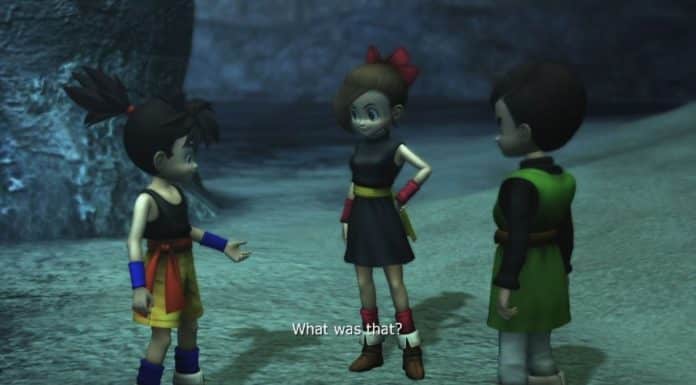
Blue Dragon renasce no PC com melhorias incríveis - Blue Dragon
Blue Dragon chega ao PC com suporte 4K e mods integrados. Explore as melhorias e a homenagem a Akira Toriyama.
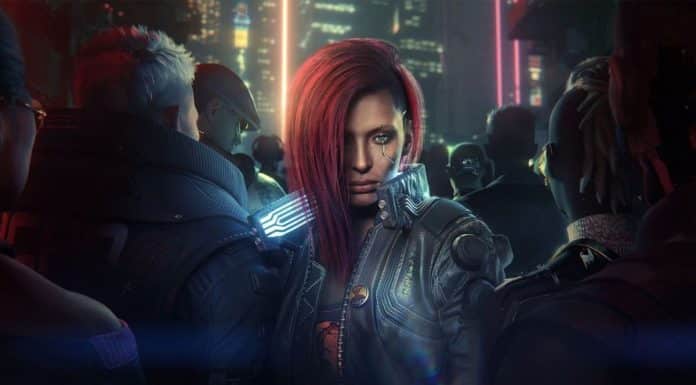
Night City 2045: O Guia Definitivo para Fãs de Cyberpunk - Night City 2045
Mergulhe nas 312 páginas de 'Night City 2045' e descubra os segredos das 44 gangues e 600 locais deste universo distópico.
Remasterizações Surpreendentes: Elden Ring e Guerra no Norte - remasterização de jogos
Elden Ring no Switch 2 e Guerra no Norte renascem com melhorias técnicas. Explore essa nova era dos games.
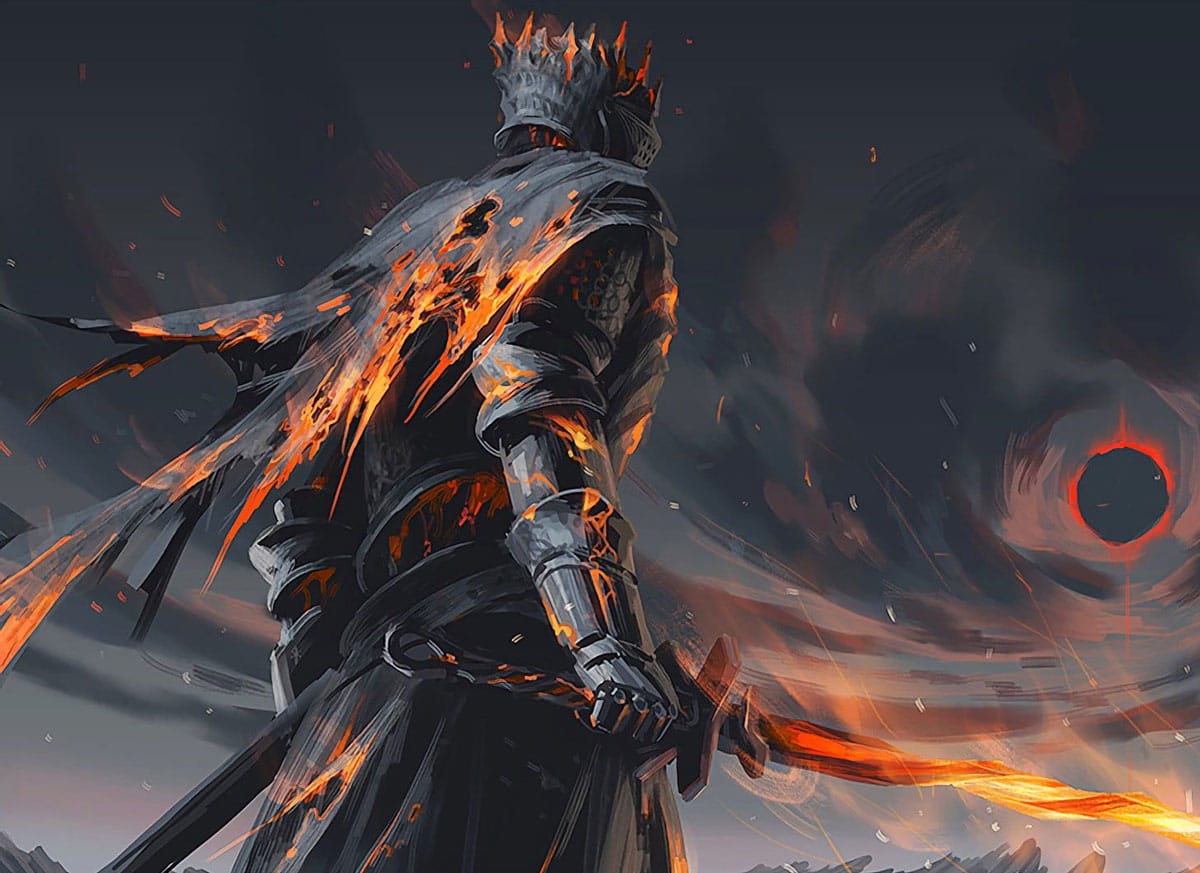
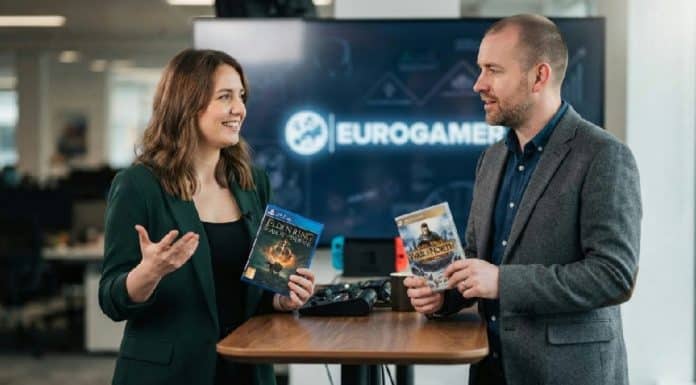
Elden Ring no Switch 2 e O Senhor dos Anéis Remasterizado - Elden Ring no Nintendo Switch 2
Kelsey revive Elden Ring no Switch 2; Bertie explora Terra Média em War in the North. Experiências nostálgicas e inovadoras.