O lançamento de Dragon Ball DAIMA Episódio 1 nesta semana sinaliza o retorno da renomada franquia de battle shonen, que havia encerrado Dragon Ball Super em 2018, gerando grande expectativa entre os fãs. Este projeto marca a obra final do criador Akira Toriyama, que, infelizmente, faleceu em 1º de março de 2024.
A série deverá apresentar oficialmente o Clã Demoníaco, que até agora só havia sido visto nos jogos de Dragon Ball. Fique atento para não perder o episódio 1 de Dragon Ball DAIMA assim que for lançado. Continue lendo para saber a data de lançamento, o enredo esperado e muito mais!
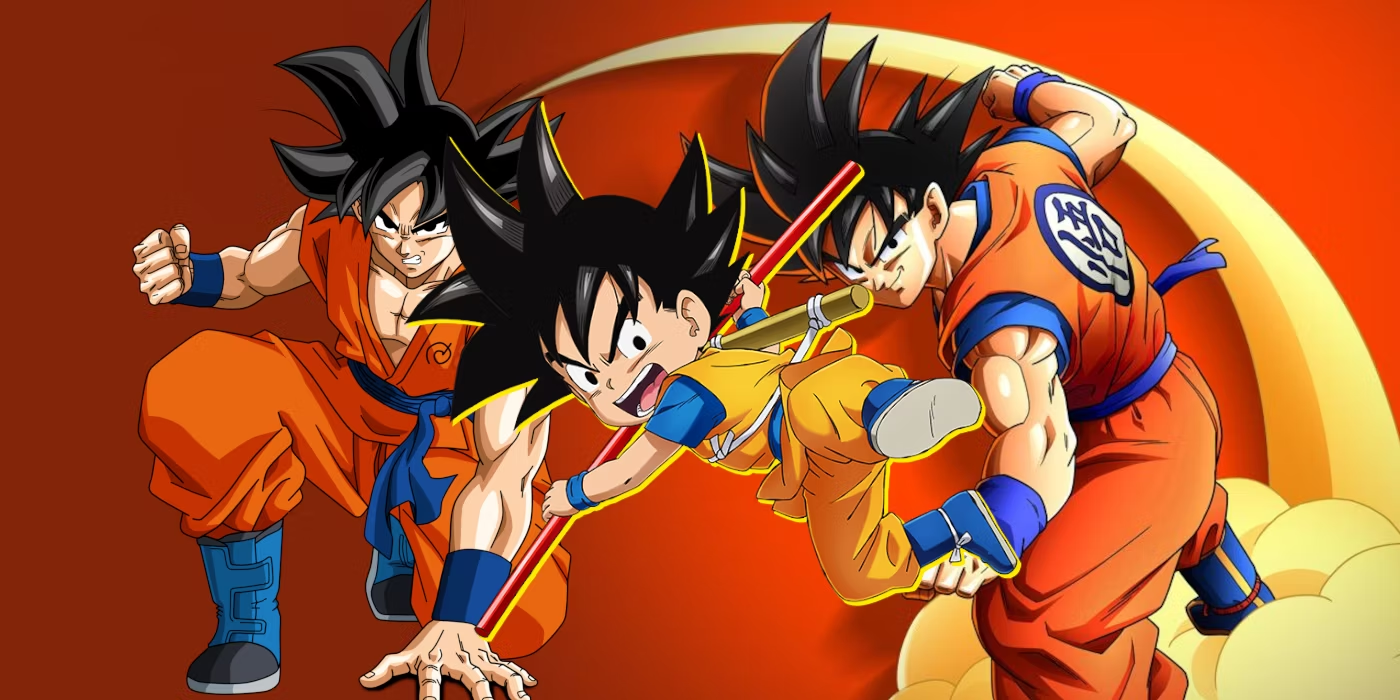
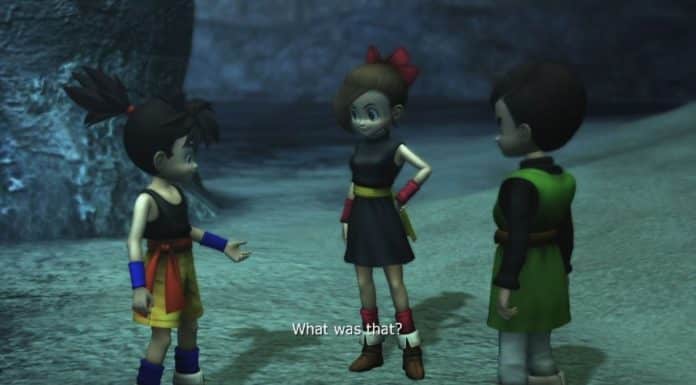
Dragon Ball DAIMA é a mais nova adição ao universo Dragon Ball, situada entre os eventos da Saga Boo e Dragon Ball Super. A série traz uma reviravolta interessante: Goku e seus companheiros são transformados em crianças por um evento misterioso.
Essa transformação impulsiona a trama, levando Goku a embarcar em uma nova jornada para recuperar sua forma adulta. Durante essa aventura, ele volta a utilizar o lendário Nyoibo (Bastão Mágico) e explora terras inéditas.
O Supremo Senhor Kaioh terá um papel crucial nessa missão, conforme sugerido pelos trailers, que também introduzem o mundo dos demônios e o Clã dos Demônios ao cânone da série, figuras conhecidas dos videogames de Dragon Ball.
Embora ainda não se saiba ao certo qual será o impacto desses personagens na história, especula-se que eles estejam por trás das transformações de Goku e seus amigos. Os fãs podem esperar momentos divertidos e cativantes, já que os heróis precisam lidar com seus novos corpos infantis.
Onde assistir e data de lançamento de Dragon Ball Daima: Episódio 1
O primeiro episódio de Dragon Ball DAIMA está agendado para estreia na sexta-feira, 11 de outubro de 2024, às 23h40 JST. Para a maioria dos fãs internacionais, isso corresponde a um lançamento no mesmo dia, por volta das 14h40 GMT / 7h40 PT / 10h40 ET.
No Japão, o episódio pode ser assistido na Fuji TV, e o público internacional terá acesso à versão com legendas em inglês através do Crunchyroll e da Netflix. Ambas as plataformas requerem uma assinatura para visualização, sendo que o Crunchyroll disponibilizará a série em transmissão simultânea.
O que podemos esperar do episódio 1 de Dragon Ball DAIMA?
O episódio 1 de Dragon Ball DAIMA provavelmente apresentará a nova realidade enfrentada por Goku, Vegeta, Bulma, Chi-Chi, Piccolo e o restante do grupo após sua inesperada transformação em crianças. Espera-se que o episódio explore como esse evento estranho ocorreu, além de introduzir a missão principal que eles terão de completar para reverter essa condição.
Os fãs de Dragon Ball podem se preparar para ver Goku assumindo o papel de protagonista mais uma vez, agora equipado com seu fiel bastão mágico para compensar sua diminuição de tamanho. Em sua jornada por um reino desconhecido para desfazer o feitiço que alterou suas vidas, o público também poderá conhecer novos personagens e espécies ao longo do caminho.
Seguindo o estilo característico da franquia, o episódio 1 de Dragon Ball DAIMA deve trazer cenas de ação intensas e cheias de energia, mantendo a tradição da série. Além disso, à medida que Goku lida com sua forma reduzida, espera-se também uma interação interessante com o Supremo Senhor Kaioh, que aparentemente também foi transformado em criança.
Os spoilers de One Piece 1129 mais recentes revelaram que Road, um membro da Grande Frota do Chapéu de Palha, é na verdade contrário à ideia de se unir à tripulação. Isso se alia ao fato de que alguns dos Gigantes da tripulação de Dorry e Brogy parecem ter uma tatuagem similar à desse personagem, o que pode indicar uma resistência aos Chapéus de Palha em Elbaf.
One Piece ainda não explorou a dinâmica de ilhas onde os Chapéus de Palha são conhecidos, mas não bem-vindos. Geralmente, Luffy e seu grupo são estranhos que acabam por conquistar a simpatia local, então enfrentar uma comunidade que os rejeita poderia representar um desafio inédito para eles.
Spoilers de One Piece 1129 sugerem que o arco de Elbaf pode estar gerando um sentimento contra os Chapéus de Palha.
One Piece 1129 (Imagem via Toei Animation).
Um usuário identificado como @merlinidc apontou no X que o humano na gaiola do Deus Sol possui a mesma tatuagem que um dos gigantes da tripulação de Dorry e Brogy, sugerindo que alguns habitantes de Elbaf possam ter sentimentos anti-Chapéu de Palha. Isso foi parcialmente confirmado pelos vazamentos do capítulo 1129, onde Road rejeita a ideia de se unir à Grande Frota do Chapéu de Palha.
Nos estágios iniciais do arco, já vimos indícios de manipulação e engano, com os Chapéus de Palha sendo capturados por alguém que se autointitula “Deus Sol”, um título que na verdade pertence a Nika. Assim, não seria surpreendente se o arco explorasse temas de mentiras e manipulação.
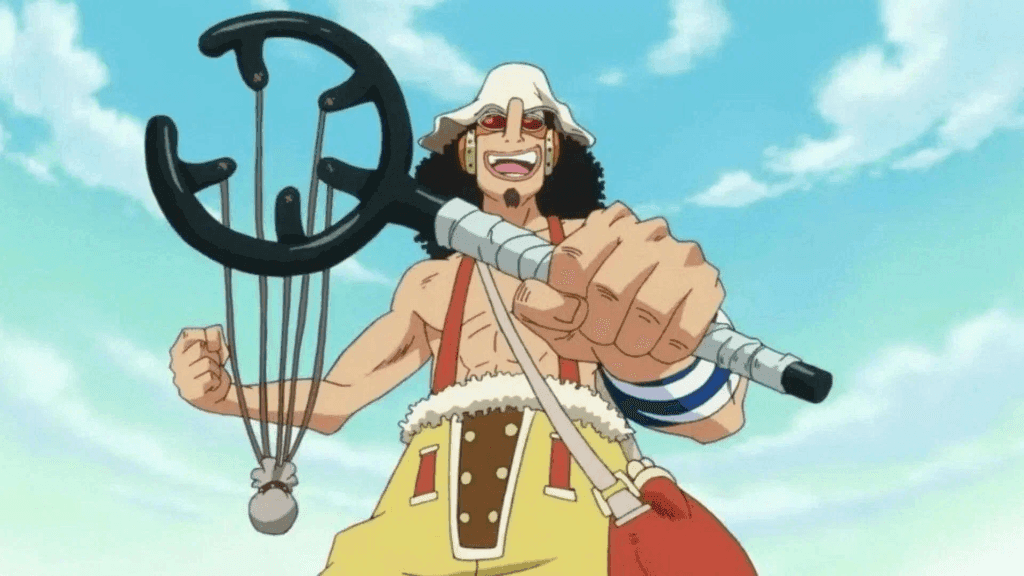
Elbaf, inspirado na mitologia nórdica, apresenta Loki, o deus das mentiras. É possível que Eiichiro Oda esteja construindo uma narrativa anti-Chapéu de Palha através de enganos e tramas, o que se alinha com o personagem Usopp, famoso por suas mentiras e fortemente ligado a Elbaf, justificando o desejo dos fãs de que este seja o seu arco principal.
O que isso pode representar para os Chapéus de Palha
Como mencionado, seria uma das primeiras ocasiões em One Piece onde os Chapéus de Palha precisariam limpar seus nomes, ao invés de conquistar aliados como de costume. Existe a possibilidade de o Governo Mundial estar difundindo mentiras entre o povo de Elbaf, possivelmente por eles venerarem Nika, um inimigo declarado do governo.
Seria igualmente fascinante observar Usopp desempenhando um papel central neste conflito, já que ele é notório por suas mentiras. A perspectiva de Usopp confrontar Loki, o famoso deus da trapaça, apresenta um embate temático intrigante que se alinha com a personalidade de Usopp e poderia proporcionar um desenvolvimento significativo para ele neste arco.
Parece provável que Oda esteja preparando um clima de antagonismo contra os Chapéus de Palha no arco atual de One Piece, considerando a resistência de Road em se aliar a eles e à falsa divindade Sol. Isso também se harmonizaria com a ideia de Loki estar envolvido no conflito, dada sua reputação na mitologia como o deus da mentira.
A adaptação live-action de “Oshi no Ko“ está prevista para estrear ainda este ano, trazendo uma série de TV e um filme. Seguindo o sucesso da segunda temporada de “Oshi no Ko”, que concluiu no início deste verão, a popular franquia expande-se com novos projetos live-action, prometendo uma perspectiva inédita sobre o mangá original.
Qual enredo do live-action de Oshi no Ko
Oshi No Ko Live-Action Trailer Shot [Image Credit- Prime Video, YouTube]
A versão live-action manterá a narrativa central do anime e mangá original. Oshi no Ko” explora o universo do show business e da cultura idol através de personagens como Aqua, Ruby e Ai Hoshino. Os espectadores podem antecipar o mesmo nível de drama intenso, riqueza emocional e uma visão crítica sobre os aspectos obscuros da celebridade, como apresentado na obra original.
O trailer recém-lançado oferece uma prévia dos personagens principais da adaptação, insinuando os momentos emocionais e o drama que se desenvolverão na série de TV e no filme.
Elenco e equipe do live-action de Oshi no Ko
A adaptação live-action de de Oshi no Ko apresenta um elenco repleto de estrelas, com:
Outros membros destacados do elenco são Kotaro Yoshida no papel de Ichigo Saito, Mari Hamada como Miyako Saito e Nobuaki Kaneko interpretando Taishi Gotanda. A direção da série e do filme fica a cargo de Hana Matsumoto e Smith, enquanto os roteiros são de autoria de Ayako Kitagawa. A trilha sonora dos projetos é composta pelo grupo fox capture plan.
Detalhes da versão live-action de Oshi no Ko
A adaptação live-action da série de TV Oshi no Ko tem estreia global marcada para 28 de novembro de 2024 no Prime Video. O filme chegará aos cinemas japoneses em 20 de dezembro de 2024. Embora ainda não haja confirmação de lançamento internacional, os fãs mantêm a esperança de uma estreia mundial.
Com o sucesso de outras adaptações live-action de animes, as expectativas para Oshi no Ko são elevadas. O lançamento do novo trailer aumentou o entusiasmo dos fãs, ansiosos para descobrir como a história e os personagens queridos serão representados no live-action. Com um elenco talentoso e uma equipe de produção renomada, os projetos live-action prometem ser um destaque no legado em expansão da franquia.
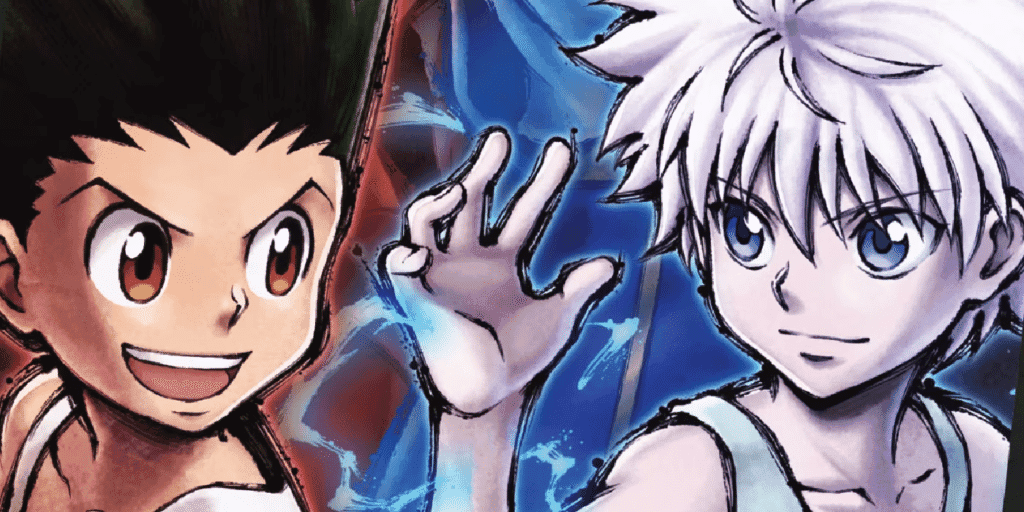
Após um longo intervalo, o mangá Hunter x Hunter retorna, trazendo avanços significativos a cada capítulo. A expectativa dos fãs está alta com a programação do lançamento de Hunter x Hunter 402, que dará sequência ao empolgante Arco do Concurso de Sucessão. Este é um breve resumo dos eventos do capítulo anterior, as previsões dos fãs para a próxima edição e as possíveis reviravoltas que o próximo capítulo pode apresentar.
Resumo de Hunter x Hunter 401
Hunter X Hunter [Crédito da imagem- Crunchyroll, Studio Madhouse]
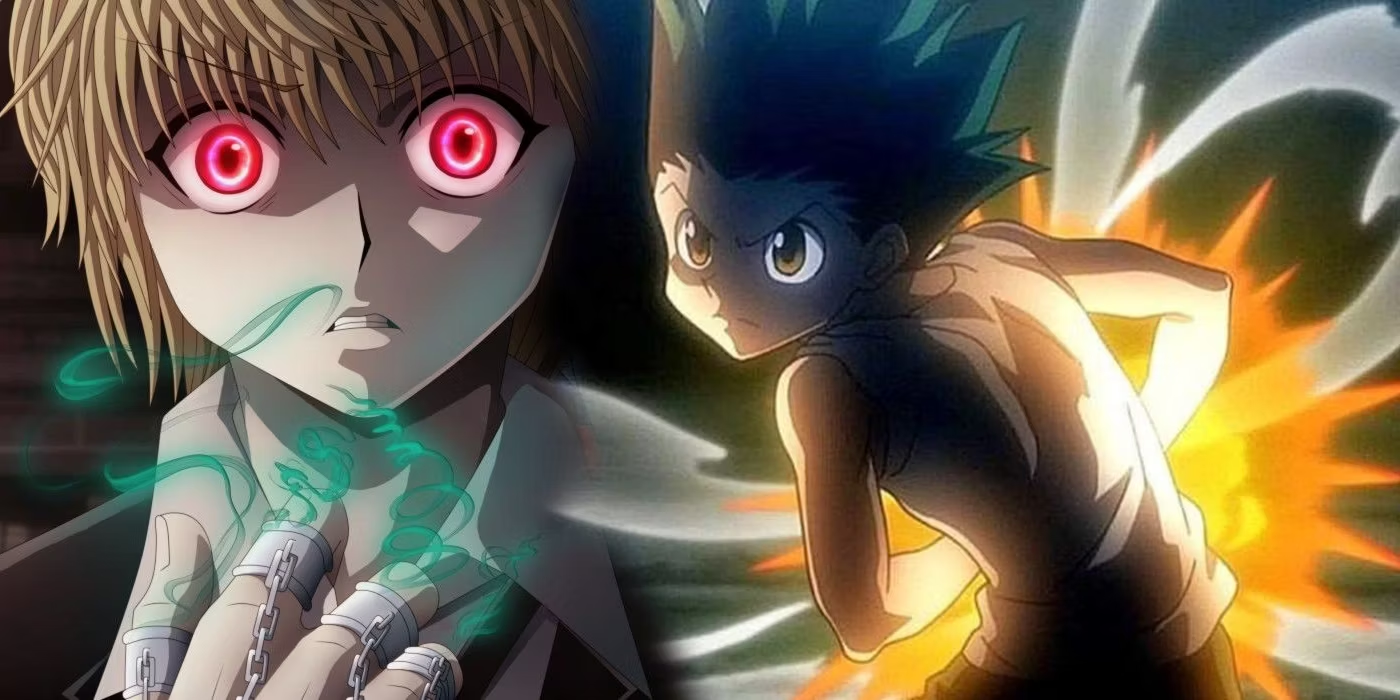
No Capítulo 401 de Hunter x Hunter, Kurapika teve um encontro decisivo com Longhi, uma figura com ligações a Beyond Netero. Durante a conversa, Longhi fez uma revelação surpreendente: ela é uma das várias filhas biológicas de Beyond. Essas crianças nascem com a habilidade de usar Nen desde cedo, tornando-se guerreiras excepcionais. Atualmente, Kurapika atua como guarda-costas do Príncipe Woble e entrou em uma delicada negociação com Longhi. O objetivo era discutir um tratado de paz entre os príncipes Woble e Tubeppa, na tentativa de evitar confrontos diretos.
A habilidade Nen de Longhi, chamada Transparent World – Moonlight Act, permite que ela estabeleça contratos capazes de conceder ou retirar habilidades. Se alguém violar o tratado, perderá seus poderes Nen por uma semana. Esse capítulo não apenas aprofundou o Concurso de Sucessão, mas também sugeriu as intenções ocultas de Longhi, que parecem estar ligadas aos planos de seu pai, Beyond Netero.
Expectativas de lançamento de Hunter x Hunter capítulo 402
Os fãs estão na expectativa pela continuação deste arco intenso, especialmente após as surpreendentes revelações do último capítulo. Embora o lançamento de Hunter x Hunter tenha se tornado irregular devido às questões de saúde de Yoshihiro Togashi, os seguidores da série permanecem solidários e pacientes, conscientes de que cada novo capítulo oferece desenvolvimentos emocionantes na trama.
O que esperar do capítulo 402 de Hunter x Hunter
O Capítulo 402 de Hunter x Hunter provavelmente explorará a nova etapa do Concurso de Sucessão. Com o tratado de paz em ação, os leitores poderão observar seu impacto nas dinâmicas entre os príncipes, potencialmente levando a novas alianças ou conflitos à medida que a luta pelo trono intensifica-se.
A curiosidade também se volta para o papel futuro de Longhi e os demais descendentes de Beyond Netero. Resta a dúvida se Kurapika confiará em Longhi e quais são as verdadeiras intenções de Beyond Netero. Essas são algumas das questões que podem ser esclarecidas com o avanço da narrativa.
Quem é Reiko em Dandadan? Tudo o que você precisa saber sobre o Yokai (Imagem via Shueisha)
“Dan da dan” apresenta um mundo singular de entidades sobrenaturais, e dentre os personagens fascinantes destaca-se um enigmático yokai chamado ReikoKashima. A narrativa mescla de forma encantadora o bizarro e o insólito com uma constante veia humorística. Reiko, por sua vez, enriquece essa peculiar combinação de desafios que os personagens enfrentam ao longo da trama.
A relação de Reiko com o mundo espiritual e seu papel específico na história suscitam crescentes questionamentos sobre sua essência e motivações. Conforme a série progride para o clímax, Reiko evolui para além de uma mera criatura sobrenatural, atraindo o público para a complexa mitologia dos yokai.
Análise da personagem Reiko Kashima em Dan da dan
Reiko Kashima (Imagem via Shueisha)
Reiko Kashima é uma das yokai destacadas em Dandadan e está ligada aos enigmáticos eventos sobrenaturais que acontecem na cidade de Kamikoshi. Ela se mantém como uma das principais antagonistas no Arco dos Globalistas Espaciais.
Originalmente, ela habitava uma das áreas mais arruinadas da cidade. Morando em um bairro devastado, o maior desafio de Reiko surgiu após ser derrotada por Momo Ayase, uma das heroínas.
Essa derrota incitou um ódio profundo em Reiko por Momo, e um desejo intenso de vingança emergiu. Contudo, com o tempo, esse ressentimento inicial se esvai enquanto ela testemunha o florescer do vínculo primordial entre Momo e Okarun. A observação dessa relação altera a perspectiva de Reiko, levando-a a abandonar seu anseio por vingança.
A aparência de Reiko é notável e intimidadora. Ela é uma yokai de estatura elevada e porte musculoso, imponente diante dos humanos, mas sua característica mais marcante é a boca extensa repleta de dentes pontiagudos. Com o rosto ao natural, sem maquiagem, sua beleza é realçada de forma mais autêntica, algo que outros personagens, como Momo, reconhecem.
O Poder de Reiko Kashima em Dandadan
Reiko Kashima (Imagem via Shueisha)
Reiko Kashima, da série Dandadan, detém o poder singular de seu espelho. Ela pode comandar o espelho para projetar partes de seu corpo a distâncias, utilizando superfícies de vidro próximas, permitindo-lhe surpreender pessoas em áreas extensas.
Seu estilo de ataque à distância a torna excepcionalmente perigosa, já que ela pode lançar ataques de qualquer superfície refletiva ao seu redor, inclusive manifestando punhos enormes para destruir alvos grandes, como navios de guerra.
O espelho também concede a ela a habilidade de aprisionar inimigos em uma dimensão paralela. Uma vez capturado, o prisioneiro não pode sair dessa dimensão sem a permissão de Reiko. Ela é capaz até de capturar exércitos inteiros, evidenciando o vasto alcance de sua dimensão de bolso.
Contudo, sua maior vulnerabilidade reside na sua dependência do espelho. Se o espelho for roubado ou destruído, ela perde suas capacidades.
Reiko Kashima é um dos yokais mais fascinantes de Dandadan e tem um papel significativo no caos sobrenatural que assola a cidade de Kamikoshi. Como antagonista principal, particularmente no Arco dos Globalistas Espaciais, ela atrai a atenção dos leitores para as várias facetas de sua personalidade, que evolui de uma busca por vingança para uma reflexão sobre suas próprias ações.
O ar místico de Reiko, seu olhar enigmático e suas motivações flutuantes despertam no público o desejo de ver mais dela, fazendo-a um elemento marcante na exploração do folclore yokai na narrativa.
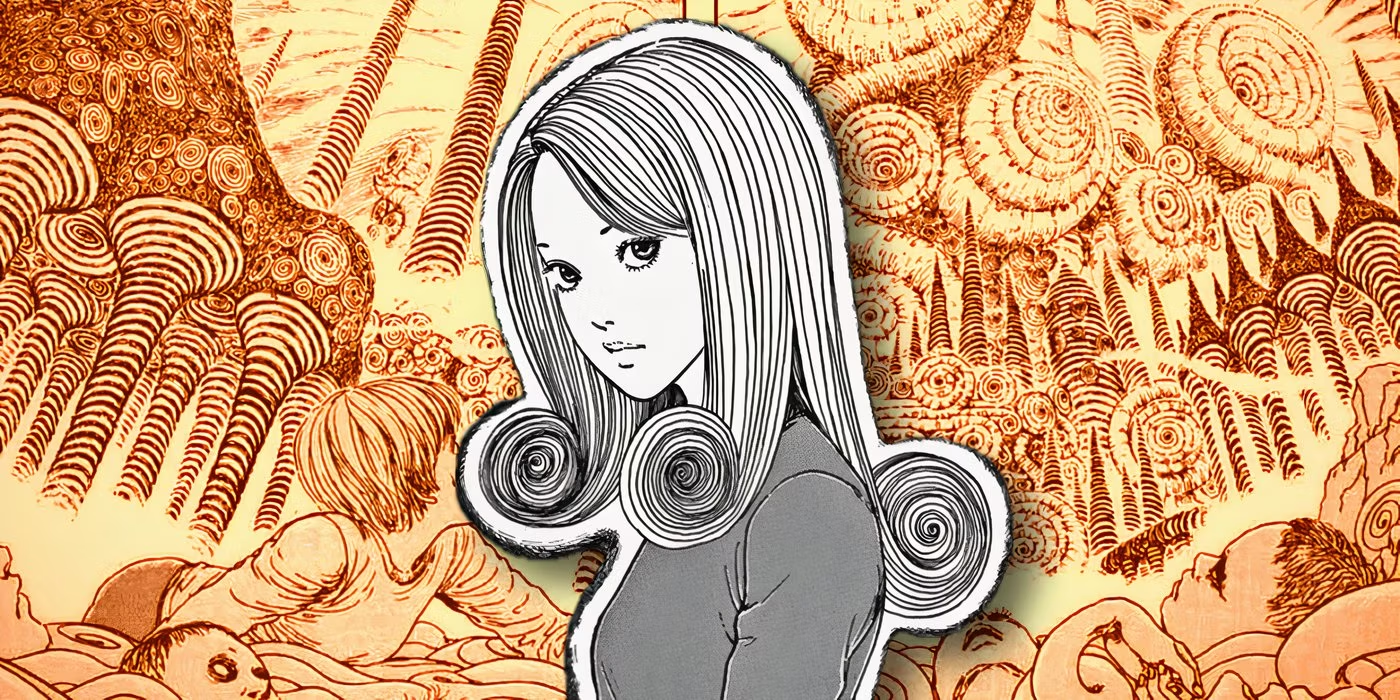
O seu novo anime exclusivo, Uzumaki do Adult Swim, já está disponível, sendo transmitido também no Channel 4 e na Max. Saiba quando Uzumaki episódio 3 será lançado.
Inspirado no mangá de terror de Junji Ito de 1998, o anime já causou impacto antes mesmo de seu lançamento, recebendo críticas entusiasmadas.
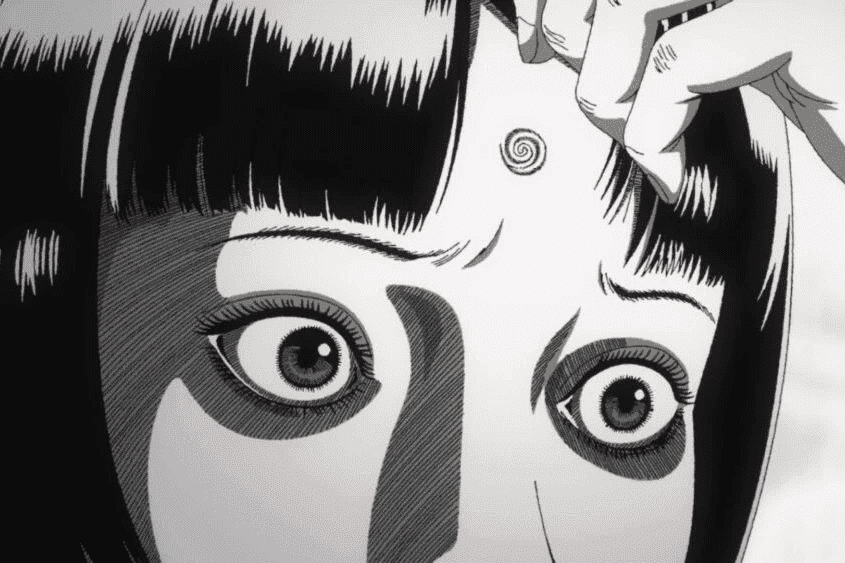
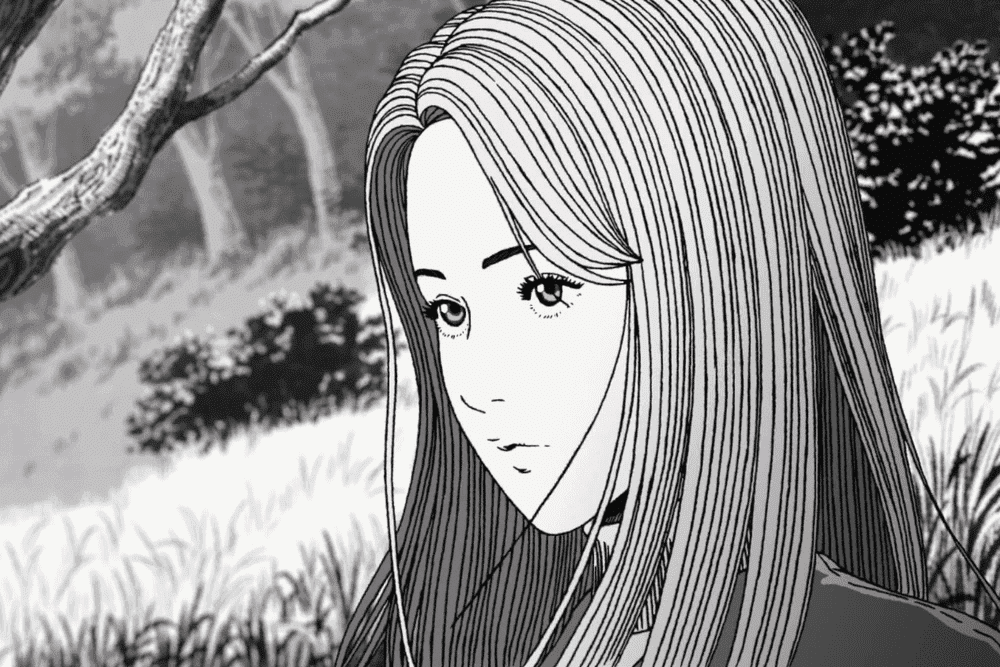
Focado em dois adolescentes que começam a notar eventos misteriosos em sua cidade natal, Kurouzu-cho, o anime traz à vida alguns dos momentos e imagens mais emblemáticos do mangá, apesar de seu curto período de tempo.
A boa notícia para os fãs deste lado do Atlântico é que o lançamento no Reino Unido ocorrerá simultaneamente aos Estados Unidos, com a série sendo transmitida pelo Channel 4. A má notícia, no entanto, é que serão apenas quatro episódios – teremos que aproveitá-los ao máximo!
Confira tudo o que você precisa saber sobre os novos episódios de Uzumaki: datas de lançamento, detalhes sobre a trama e onde assistir!
Data de lançamento de Uzumaki episódio 3
Uzumaki Adult Swim
O episódio 3 do anome Uzumakitem data de lançamento marcada para domingo, 13 de outubro, tanto no Reino Unido quanto nos EUA.
Você pode ver uma prévia abaixo:
Sintonize #Toonami no sábado, 12 de outubro, às 12h30, para assistir ao próximo novo episódio de #Uzumaki, “Episódio 3”! pic.twitter.com/U3mO6VQ7Md
Cronograma de lançamento dos episódios de Uzumaki: Quando saem os novos episódios?
No Reino Unido, novos episódios serão transmitidos pelo Channel 4 e Adult Swim todos os domingos, a partir de 29 de setembro.
A que horas saem os novos episódios do anime Uzumaki?
Uzumaki Adult Swim
No Reino Unido, os fãs podem assistir aos novos episódios de [nome da série] no Channel 4, com exibição começando às 6h da manhã todos os domingos. Já nos EUA, os episódios são transmitidos às 12h30 no horário do leste (ET) e às 21h33 no horário do Pacífico (PT). Fique por dentro dos novos lançamentos e não perca nenhum episódio!
Quantos episódios a primeira temporada de Uzumaki vai ter ?
Atualmente, esperamos ver apenas quatro episódios na primeira temporada de Uzumaki.
A série teve um caminho difícil para ser lançada devido à pandemia de Covid-19 – e os produtores estavam ansiosos para aperfeiçoar o anime, considerando o quão amado o mangá se tornou.
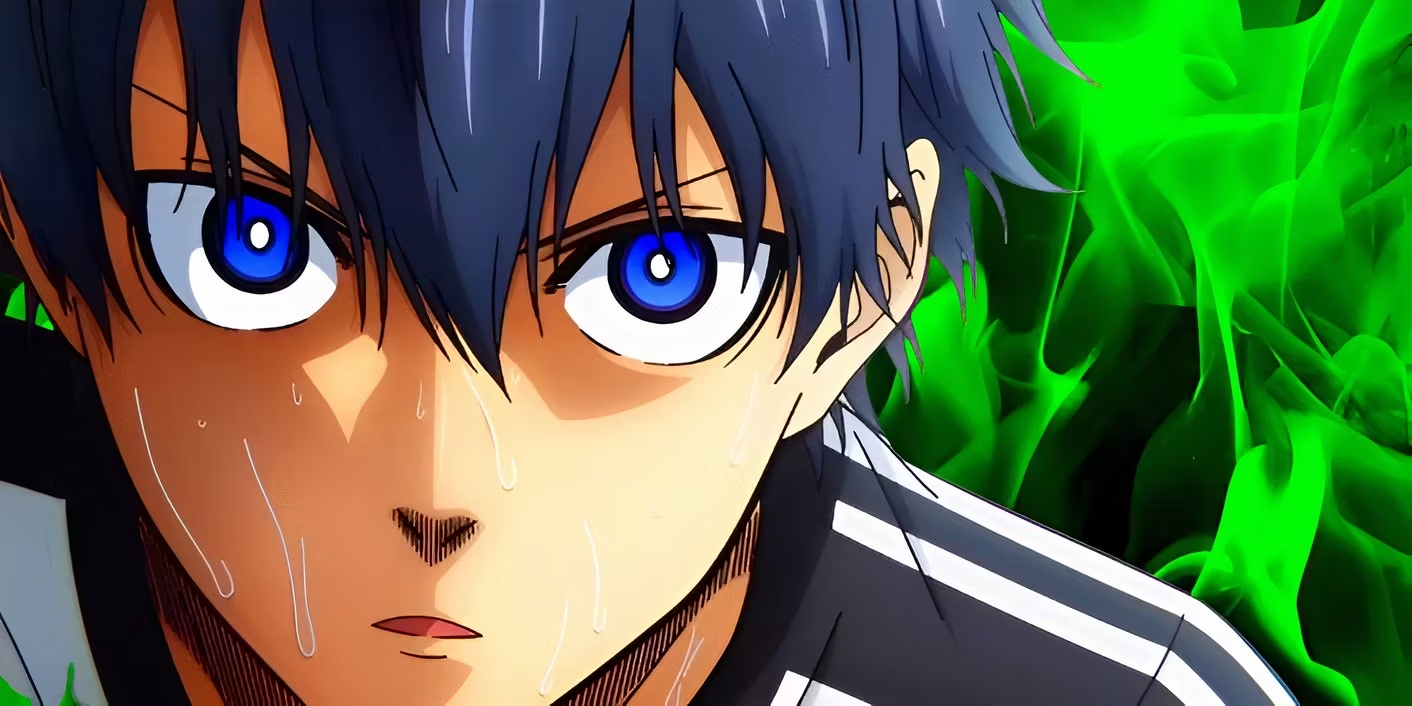
Blue Lock [Muneyuki Kaneshiro, Eight Bit, Kodansha, Crunchyroll, Netflix]
A tão aguardada 2ª temporada de Blue Lock está de volta, e os fãs estão ansiosos para acompanhar novamente a intensa competição pelo título de melhor atacante. Nesta nova fase, o anime avança para o Terceiro Arco de Seleção, onde o Blue Lock Eleven enfrentará a seleção Sub-20 do Japão, elevando ainda mais o nível de desafios e emoções.
Quer saber quando Blue Lock temporada 2 episódio 1 será lançado? Não perca os detalhes sobre a data de estreia, onde assistir, além de uma recapitulação do último episódio e expectativas sobre o enredo que vem por aí!
Data de Lançamento e Onde Assistir Blue Lock Episódio 1 Temporada 2
Blue Lock [Muneyuki Kaneshiro, Eight Bit, Kodansha, Crunchyroll, Netflix]
O episódio 1 da segunda temporada de Blue Lock será lançado no sábado, 5 de outubro de 2024, às 1h30 JST. Admiradores globais estão convidados a assistir ao lançamento como parte da temporada de outono de anime de 2024. No Japão, a transmissão ocorrerá através do novo segmento “IM Animation” na TV Asahi e em canais como BS Asahi, AT-X e Animax.
Plataformas japonesas como ABEMA, Anime Store, Hulu, Netflix e Amazon Prime Video também disponibilizarão o episódio. Internacionalmente, os fãs poderão acompanhar o episódio 2 da segunda temporada de Blue Lock via streaming no Crunchyroll.
O que podemos esperar de Blue Lock temporada 2 episódio 1
Blue Lock [Muneyuki Kaneshiro, Eight Bit, Kodansha, Crunchyroll, Netflix]
Segundo informações do site oficial do anime, o episódio 2 da segunda temporada de Blue Lock será intitulado “Teste de Aptidão (Teste)”. Neste episódio, Ego Jinpachi provavelmente dará início ao Terceiro Processo de Seleção, delineando as próximas fases do projeto Blue Lock.
O enredo vai focar na seleção dos onze jogadores iniciais para a tão aguardada partida contra a seleção sub-20 do Japão, que será liderada pelo talentoso Itoshi Sae. Esse confronto decisivo é essencial para o futuro de Blue Lock, elevando as expectativas dos fãs para a continuidade do programa.
Os espectadores podem esperar cenas emocionantes, à medida que personagens como Rin Itoshi e Ryusei Shidou serão avaliados com base em seu desempenho durante o Segundo Arco de Seleção. As apostas são altas, e a vitória na partida determinará o destino do Blue Lock no episódio 2 da segunda temporada.
In 2007, the Writers Guild of America (WGA) strike brought Hollywood to a standstill. Scripted television shows went dark, production schedules were thrown into chaos, and viewers were left with a massive entertainment void. Yet, amid the crisis, one genre not only survived but thrived—reality TV. Shows like Survivor, Big Brother, and The Amazing Race saw a surge in popularity, as networks scrambled to fill the content gap left by scripted series.
Fast forward to 2024, and things look different. Reality TV, once seen as an indomitable force in entertainment, seems to be struggling. Viewership is down, new formats are floundering, and long-running franchises are losing their spark. Why has a genre that thrived during the previous strike faltered this time around?
The Changing Landscape of Entertainment
One of the biggest differences between 2007 and 2024 is the way audiences consume content. In 2007, traditional network television was still king, and reality TV provided an easy-to-produce, unscripted alternative to keep viewers engaged. But in 2024, the entertainment landscape has radically shifted. Streaming services, on-demand content, and social media platforms dominate the scene, offering viewers endless choices beyond what’s available on cable or network TV.
Reality TV Fatigue
Another factor contributing to the decline of reality TV in 2024 is simple burnout. The genre has been oversaturated for years, with countless iterations of talent competitions, dating shows, and survival challenges crowding the airwaves. What once felt fresh and exciting has become formulaic and repetitive. New reality concepts struggle to break through the noise, while older shows like The Bachelor and Keeping Up with the Kardashians have either ended or seen viewership dwindle.
The rise of social media influencers and YouTube personalities has also blurred the lines of “reality” entertainment. Platforms like Instagram and TikTok offer users a more personal, unfiltered view into people’s lives—often with more authenticity than heavily produced reality TV. For a generation raised on short-form, user-generated content.
Engaging Nonfiction Stories
The Rise of Competition: Docuseries and High-Quality Productions
Another genre is also encroaching on reality TV’s space—docuseries. With true crime, investigative documentaries, and high-quality, multi-part series taking center stage, viewers are flocking to well-researched, deeply engaging nonfiction stories. These docuseries often provide more substance than reality TV, with compelling narratives that feel more authentic and educational. Streaming platforms are investing heavily in this content, attracting viewers who might have previously tuned into reality TV for an entertaining escape.
Ironically, the ongoing 2024 writers strike may have hurt reality TV more than it helped this time around. While it once provided an opportunity for unscripted content to dominate, today’s strike has caused uncertainty across the entire entertainment industry. Even though reality TV is unscripted, many of these shows rely heavily on behind-the-scenes writing teams for story shaping, post-production edits, and narrative development. With production delays and fewer resources, the quality of reality programming has suffered.
In addition, networks and streaming platforms are less dependent on traditional reality content to fill gaps, thanks to their vast libraries of on-demand content and international shows, which can be quickly dubbed or subtitled.
Reality TV isn’t dead—it’s evolving. While the traditional model is hurting, we may see a new era of innovation within the genre. Producers will need to get more creative, offering new formats, interactive elements, or integrating technology like virtual reality to engage audiences. Shorter, punchier series designed for streaming platforms or new niche reality shows could help revive interest.
Ultimately, reality TV’s struggles in 2024 reflect broader changes in how we consume entertainment. The genre that once thrived during a content drought in 2007 is now facing stiff competition from a wide array of engaging, on-demand alternatives. To survive, reality TV will have to adapt to this new digital-first landscape.
Viewers now expect more curated, higher-quality content than ever before. Streaming giants like Netflix, Amazon Prime, and Disney+ offer highly produced series with cinematic storytelling, making traditional reality TV look cheap by comparison. Furthermore, streaming platforms have dipped into the reality genre themselves, but with more focused, niche offerings like The Circle or Love Is Blind. These shows cater to specific audiences and thrive on the binge-watching format, leaving older reality shows struggling to maintain weekly viewer engagement.
Perhaps one of the biggest shifts impacting reality TV is the rise of social media and influencer culture. Platforms like TikTok, Instagram, and YouTube offer a more authentic and unfiltered look into people’s lives than traditional reality shows. Influencers, with their real-time interactions and behind-the-scenes content, have become the new reality stars. The constant flow of content from influencers feels more personal and less produced, which resonates with today’s audiences.
Reality TV’s original appeal came from offering viewers a peek behind the curtain of real life. But in 2024, social media has democratized this concept. Now, anyone with a smartphone can share their life, making it harder for reality TV shows to maintain the same level of intrigue.
People ignore design that ignores people. Good design is all about making other designers feel like idiots because that idea wasn’t theirs. Design is the conscious effort to impose a meaningful order.
Andrew Bennett
Furthermore, streaming platforms have dipped into the reality genre themselves, but with more focused, niche offerings like The Circle or Love Is Blind. These shows cater to specific audiences and thrive on the binge-watching format, leaving older reality shows struggling to maintain weekly viewer engagement.
Platforms like TikTok, Instagram, and YouTube offer a more authentic and unfiltered look into people’s lives than traditional reality shows. Influencers, with their real-time interactions and behind-the-scenes content, have become the new reality stars. The constant flow of content from influencers feels more personal and less produced, which resonates with today’s audiences.
Reality TV’s original appeal came from offering viewers a peek behind the curtain of real life. But in 2024, social media has democratized this concept. Now, anyone with a smartphone can share their life, making it harder for reality TV shows to maintain the same level of intrigue.
The Impact of the 2024 Writers Strike
Ironically, the ongoing 2024 writers strike may have hurt reality TV more than it helped this time around. While it once provided an opportunity for unscripted content to dominate, today’s strike has caused uncertainty across the entire entertainment industry. Even though reality TV is unscripted, many of these shows rely heavily on behind-the-scenes writing teams for story shaping, post-production edits, and narrative development. With production delays and fewer resources, the quality of reality programming has suffered.
Unlike 2007, when reality TV became a go-to solution for content-hungry networks, today’s television executives have more options. Streaming platforms, vast libraries of pre-existing content, and the ability to pull in international series have reduced the reliance on hastily produced reality shows to fill programming gaps. The 2024 strike has affected reality TV’s ecosystem in ways that weren’t as pronounced during the 2007 strike, leaving the genre exposed.
In 2007, the Writers Guild of America (WGA) strike brought Hollywood to a standstill. Scripted television shows went dark, production schedules were thrown into chaos, and viewers were left with a massive entertainment void. Yet, amid the crisis, one genre not only survived but thrived—reality TV. Shows like Survivor, Big Brother, and The Amazing Race saw a surge in popularity, as networks scrambled to fill the content gap left by scripted series.
Fast forward to 2024, and things look different. Reality TV, once seen as an indomitable force in entertainment, seems to be struggling. Viewership is down, new formats are floundering, and long-running franchises are losing their spark. Why has a genre that thrived during the previous strike faltered this time around?
The Changing Landscape of Entertainment
One of the biggest differences between 2007 and 2024 is the way audiences consume content. In 2007, traditional network television was still king, and reality TV provided an easy-to-produce, unscripted alternative to keep viewers engaged. But in 2024, the entertainment landscape has radically shifted. Streaming services, on-demand content, and social media platforms dominate the scene, offering viewers endless choices beyond what’s available on cable or network TV.
Reality TV Fatigue
Another factor contributing to the decline of reality TV in 2024 is simple burnout. The genre has been oversaturated for years, with countless iterations of talent competitions, dating shows, and survival challenges crowding the airwaves. What once felt fresh and exciting has become formulaic and repetitive. New reality concepts struggle to break through the noise, while older shows like The Bachelor and Keeping Up with the Kardashians have either ended or seen viewership dwindle.
The rise of social media influencers and YouTube personalities has also blurred the lines of “reality” entertainment. Platforms like Instagram and TikTok offer users a more personal, unfiltered view into people’s lives—often with more authenticity than heavily produced reality TV. For a generation raised on short-form, user-generated content.
Engaging Nonfiction Stories
The Rise of Competition: Docuseries and High-Quality Productions
Another genre is also encroaching on reality TV’s space—docuseries. With true crime, investigative documentaries, and high-quality, multi-part series taking center stage, viewers are flocking to well-researched, deeply engaging nonfiction stories. These docuseries often provide more substance than reality TV, with compelling narratives that feel more authentic and educational. Streaming platforms are investing heavily in this content, attracting viewers who might have previously tuned into reality TV for an entertaining escape.
Ironically, the ongoing 2024 writers strike may have hurt reality TV more than it helped this time around. While it once provided an opportunity for unscripted content to dominate, today’s strike has caused uncertainty across the entire entertainment industry. Even though reality TV is unscripted, many of these shows rely heavily on behind-the-scenes writing teams for story shaping, post-production edits, and narrative development. With production delays and fewer resources, the quality of reality programming has suffered.
In addition, networks and streaming platforms are less dependent on traditional reality content to fill gaps, thanks to their vast libraries of on-demand content and international shows, which can be quickly dubbed or subtitled.
Reality TV isn’t dead—it’s evolving. While the traditional model is hurting, we may see a new era of innovation within the genre. Producers will need to get more creative, offering new formats, interactive elements, or integrating technology like virtual reality to engage audiences. Shorter, punchier series designed for streaming platforms or new niche reality shows could help revive interest.
Ultimately, reality TV’s struggles in 2024 reflect broader changes in how we consume entertainment. The genre that once thrived during a content drought in 2007 is now facing stiff competition from a wide array of engaging, on-demand alternatives. To survive, reality TV will have to adapt to this new digital-first landscape.
Viewers now expect more curated, higher-quality content than ever before. Streaming giants like Netflix, Amazon Prime, and Disney+ offer highly produced series with cinematic storytelling, making traditional reality TV look cheap by comparison. Furthermore, streaming platforms have dipped into the reality genre themselves, but with more focused, niche offerings like The Circle or Love Is Blind. These shows cater to specific audiences and thrive on the binge-watching format, leaving older reality shows struggling to maintain weekly viewer engagement.
Perhaps one of the biggest shifts impacting reality TV is the rise of social media and influencer culture. Platforms like TikTok, Instagram, and YouTube offer a more authentic and unfiltered look into people’s lives than traditional reality shows. Influencers, with their real-time interactions and behind-the-scenes content, have become the new reality stars. The constant flow of content from influencers feels more personal and less produced, which resonates with today’s audiences.
Reality TV’s original appeal came from offering viewers a peek behind the curtain of real life. But in 2024, social media has democratized this concept. Now, anyone with a smartphone can share their life, making it harder for reality TV shows to maintain the same level of intrigue.
People ignore design that ignores people. Good design is all about making other designers feel like idiots because that idea wasn’t theirs. Design is the conscious effort to impose a meaningful order.
Andrew Bennett
Furthermore, streaming platforms have dipped into the reality genre themselves, but with more focused, niche offerings like The Circle or Love Is Blind. These shows cater to specific audiences and thrive on the binge-watching format, leaving older reality shows struggling to maintain weekly viewer engagement.
Platforms like TikTok, Instagram, and YouTube offer a more authentic and unfiltered look into people’s lives than traditional reality shows. Influencers, with their real-time interactions and behind-the-scenes content, have become the new reality stars. The constant flow of content from influencers feels more personal and less produced, which resonates with today’s audiences.
Reality TV’s original appeal came from offering viewers a peek behind the curtain of real life. But in 2024, social media has democratized this concept. Now, anyone with a smartphone can share their life, making it harder for reality TV shows to maintain the same level of intrigue.
The Impact of the 2024 Writers Strike
Ironically, the ongoing 2024 writers strike may have hurt reality TV more than it helped this time around. While it once provided an opportunity for unscripted content to dominate, today’s strike has caused uncertainty across the entire entertainment industry. Even though reality TV is unscripted, many of these shows rely heavily on behind-the-scenes writing teams for story shaping, post-production edits, and narrative development. With production delays and fewer resources, the quality of reality programming has suffered.
Unlike 2007, when reality TV became a go-to solution for content-hungry networks, today’s television executives have more options. Streaming platforms, vast libraries of pre-existing content, and the ability to pull in international series have reduced the reliance on hastily produced reality shows to fill programming gaps. The 2024 strike has affected reality TV’s ecosystem in ways that weren’t as pronounced during the 2007 strike, leaving the genre exposed.
In 2007, the Writers Guild of America (WGA) strike brought Hollywood to a standstill. Scripted television shows went dark, production schedules were thrown into chaos, and viewers were left with a massive entertainment void. Yet, amid the crisis, one genre not only survived but thrived—reality TV. Shows like Survivor, Big Brother, and The Amazing Race saw a surge in popularity, as networks scrambled to fill the content gap left by scripted series.
Fast forward to 2024, and things look different. Reality TV, once seen as an indomitable force in entertainment, seems to be struggling. Viewership is down, new formats are floundering, and long-running franchises are losing their spark. Why has a genre that thrived during the previous strike faltered this time around?
The Changing Landscape of Entertainment
One of the biggest differences between 2007 and 2024 is the way audiences consume content. In 2007, traditional network television was still king, and reality TV provided an easy-to-produce, unscripted alternative to keep viewers engaged. But in 2024, the entertainment landscape has radically shifted. Streaming services, on-demand content, and social media platforms dominate the scene, offering viewers endless choices beyond what’s available on cable or network TV.
Reality TV Fatigue
Another factor contributing to the decline of reality TV in 2024 is simple burnout. The genre has been oversaturated for years, with countless iterations of talent competitions, dating shows, and survival challenges crowding the airwaves. What once felt fresh and exciting has become formulaic and repetitive. New reality concepts struggle to break through the noise, while older shows like The Bachelor and Keeping Up with the Kardashians have either ended or seen viewership dwindle.
The rise of social media influencers and YouTube personalities has also blurred the lines of “reality” entertainment. Platforms like Instagram and TikTok offer users a more personal, unfiltered view into people’s lives—often with more authenticity than heavily produced reality TV. For a generation raised on short-form, user-generated content.
Engaging Nonfiction Stories
The Rise of Competition: Docuseries and High-Quality Productions
Another genre is also encroaching on reality TV’s space—docuseries. With true crime, investigative documentaries, and high-quality, multi-part series taking center stage, viewers are flocking to well-researched, deeply engaging nonfiction stories. These docuseries often provide more substance than reality TV, with compelling narratives that feel more authentic and educational. Streaming platforms are investing heavily in this content, attracting viewers who might have previously tuned into reality TV for an entertaining escape.
Ironically, the ongoing 2024 writers strike may have hurt reality TV more than it helped this time around. While it once provided an opportunity for unscripted content to dominate, today’s strike has caused uncertainty across the entire entertainment industry. Even though reality TV is unscripted, many of these shows rely heavily on behind-the-scenes writing teams for story shaping, post-production edits, and narrative development. With production delays and fewer resources, the quality of reality programming has suffered.
In addition, networks and streaming platforms are less dependent on traditional reality content to fill gaps, thanks to their vast libraries of on-demand content and international shows, which can be quickly dubbed or subtitled.
Reality TV isn’t dead—it’s evolving. While the traditional model is hurting, we may see a new era of innovation within the genre. Producers will need to get more creative, offering new formats, interactive elements, or integrating technology like virtual reality to engage audiences. Shorter, punchier series designed for streaming platforms or new niche reality shows could help revive interest.
Ultimately, reality TV’s struggles in 2024 reflect broader changes in how we consume entertainment. The genre that once thrived during a content drought in 2007 is now facing stiff competition from a wide array of engaging, on-demand alternatives. To survive, reality TV will have to adapt to this new digital-first landscape.
Viewers now expect more curated, higher-quality content than ever before. Streaming giants like Netflix, Amazon Prime, and Disney+ offer highly produced series with cinematic storytelling, making traditional reality TV look cheap by comparison. Furthermore, streaming platforms have dipped into the reality genre themselves, but with more focused, niche offerings like The Circle or Love Is Blind. These shows cater to specific audiences and thrive on the binge-watching format, leaving older reality shows struggling to maintain weekly viewer engagement.
Perhaps one of the biggest shifts impacting reality TV is the rise of social media and influencer culture. Platforms like TikTok, Instagram, and YouTube offer a more authentic and unfiltered look into people’s lives than traditional reality shows. Influencers, with their real-time interactions and behind-the-scenes content, have become the new reality stars. The constant flow of content from influencers feels more personal and less produced, which resonates with today’s audiences.
Reality TV’s original appeal came from offering viewers a peek behind the curtain of real life. But in 2024, social media has democratized this concept. Now, anyone with a smartphone can share their life, making it harder for reality TV shows to maintain the same level of intrigue.
People ignore design that ignores people. Good design is all about making other designers feel like idiots because that idea wasn’t theirs. Design is the conscious effort to impose a meaningful order.
Andrew Bennett
Furthermore, streaming platforms have dipped into the reality genre themselves, but with more focused, niche offerings like The Circle or Love Is Blind. These shows cater to specific audiences and thrive on the binge-watching format, leaving older reality shows struggling to maintain weekly viewer engagement.
Platforms like TikTok, Instagram, and YouTube offer a more authentic and unfiltered look into people’s lives than traditional reality shows. Influencers, with their real-time interactions and behind-the-scenes content, have become the new reality stars. The constant flow of content from influencers feels more personal and less produced, which resonates with today’s audiences.
Reality TV’s original appeal came from offering viewers a peek behind the curtain of real life. But in 2024, social media has democratized this concept. Now, anyone with a smartphone can share their life, making it harder for reality TV shows to maintain the same level of intrigue.
The Impact of the 2024 Writers Strike
Ironically, the ongoing 2024 writers strike may have hurt reality TV more than it helped this time around. While it once provided an opportunity for unscripted content to dominate, today’s strike has caused uncertainty across the entire entertainment industry. Even though reality TV is unscripted, many of these shows rely heavily on behind-the-scenes writing teams for story shaping, post-production edits, and narrative development. With production delays and fewer resources, the quality of reality programming has suffered.
Unlike 2007, when reality TV became a go-to solution for content-hungry networks, today’s television executives have more options. Streaming platforms, vast libraries of pre-existing content, and the ability to pull in international series have reduced the reliance on hastily produced reality shows to fill programming gaps. The 2024 strike has affected reality TV’s ecosystem in ways that weren’t as pronounced during the 2007 strike, leaving the genre exposed.